Evaluating Lord Knight: A Deep Dive into Vintage Blackletter Typography for Modern Design
In the realm of graphic design, typography serves as the voice of visual communication. It sets the tone, establishes hierarchy, and evokes emotion before a single word is read. Among the vast array of typefaces available to designers, Lord Knight stands out as a distinctive choice for projects requiring historical gravitas and dramatic flair. As a vintage blackletter font characterized by sharp, pointed letters and bold, classic styling, it offers a unique aesthetic that bridges the gap between medieval manuscripts and contemporary branding.
For professionals aged 20 to 50 who are constantly evaluating tools and resources to enhance their creative output, understanding the specific nuances of a typeface like Lord Knight is essential. This article provides a comprehensive evaluation of Lord Knight, examining its structural characteristics, ideal use cases, limitations, and how it compares to broader typographic categories. The goal is to help designers make informed decisions about when this font is the right tool for the job and when alternative options might serve the project better.
The Anatomy of Lord Knight: Distinctive Features and Aesthetic Appeal
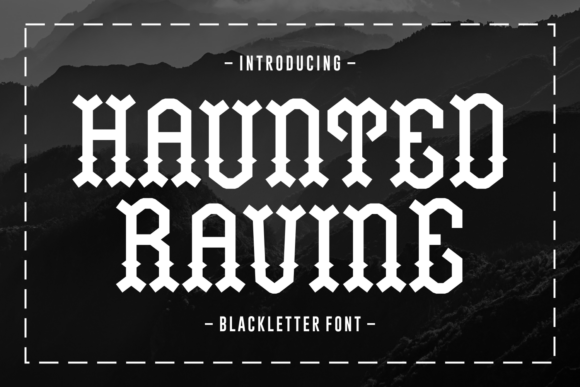
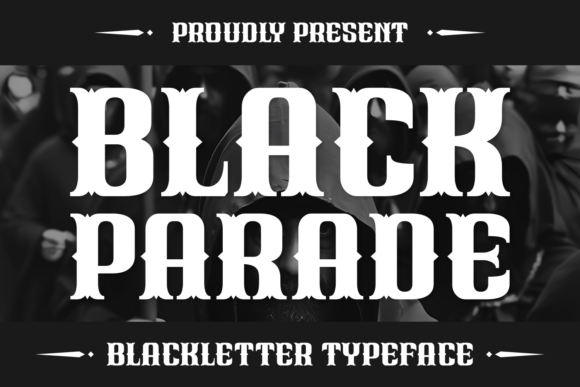
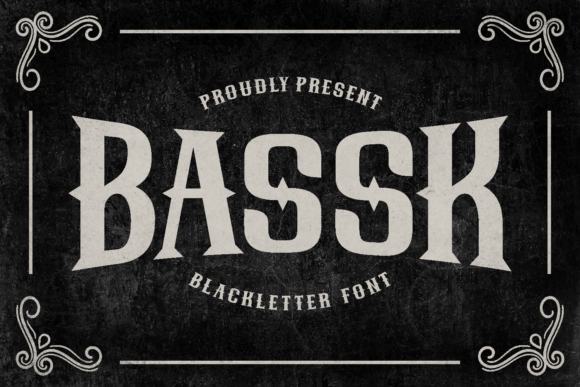
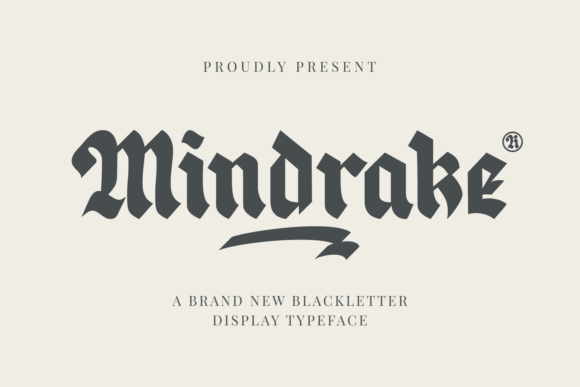
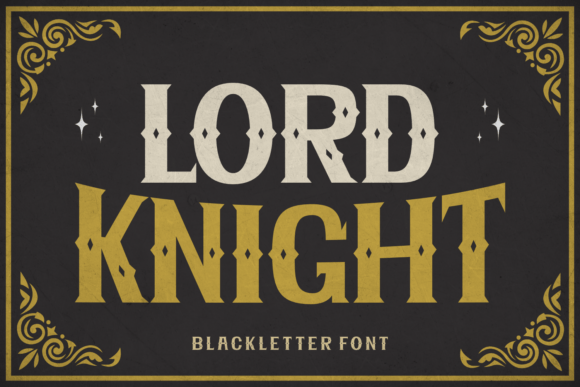
To evaluate any typeface effectively, one must first understand its structural DNA. Lord Knight is not merely a "gothic" font in the generic sense; it is a carefully crafted interpretation of historical blackletter styles. Its defining characteristic is the presence of sharp, pointed letters. Unlike softer serif fonts that guide the eye gently across a line, Lord Knight commands attention with its angular precision. These sharp serifs create a sense of tension and energy, making the text feel dynamic rather than static.
The font’s bold, classic style is another critical component of its identity. It draws heavily from traditional Fraktur and Textura influences, which were prevalent in Western Europe during the late Middle Ages and Renaissance. However, Lord Knight modernizes these elements slightly to ensure legibility in digital contexts. The intricate details within the letterforms—such as the varying thickness of strokes and the complex interplay of negative space—give it an old-world charm. This charm is not accidental; it is designed to evoke a sense of heritage, authority, and timelessness.
When you incorporate Lord Knight into a design, you are immediately signaling a specific mood. It is elegant yet imposing. It suggests tradition without being dusty. For designers working on projects that require a touch of elegance or a gothic feel, this font provides a ready-made atmosphere. It eliminates the need for excessive decorative elements because the typography itself carries significant visual weight.
Ideal Use Cases: Where Lord Knight Shines
Not every font fits every context. Lord Knight is a specialized tool, and its effectiveness is highest when applied to specific types of projects. Understanding these best-fit situations can prevent misuse and ensure the design communicates the intended message effectively.
- Posters and Event Branding: One of the strongest applications for Lord Knight is in poster design. Whether for a heavy metal concert, a fantasy-themed board game launch, or a historical reenactment event, the font’s striking nature ensures it grabs attention from a distance. The dramatic shapes work well in large formats where readability is less of a concern than immediate visual impact.
- Logos and Brand Identity: For brands seeking a timeless look, Lord Knight can be highly effective. It is particularly suited for businesses in niches such as craft brewing, artisanal goods, tattoo studios, or luxury leather goods. In these contexts, the font reinforces values of craftsmanship, history, and durability. However, it should be used sparingly in logos, typically as a display element rather than for full brand names, to maintain balance.
- Editorial and Packaging Design: On product packaging, especially for items like spirits, candles, or specialty foods, Lord Knight adds a layer of sophistication. It elevates simple designs by introducing a historical reference point. Similarly, in editorial layouts for magazines or books focused on history, folklore, or dark academia, this font can serve as an excellent header typeface to break up sections and add visual interest.
Comparative Analysis: Lord Knight vs. Standard Alternatives
When selecting a typeface, designers often face a choice between distinct stylistic categories. Comparing Lord Knight to other common options helps clarify its unique position in the market.
Blackletter vs. Sans-Serif
The most stark contrast exists between Lord Knight and modern sans-serif fonts like Helvetica or Arial. Sans-serifs are prized for their neutrality, cleanliness, and high legibility at small sizes. They are the default choice for user interfaces, technical documentation, and corporate communications where clarity is paramount. Lord Knight, conversely, is expressive and decorative. While a sans-serif says "efficiency," Lord Knight says "character." Choosing Lord Knight over a sans-serif is a deliberate decision to prioritize aesthetic impact over functional neutrality. If the goal is to convey modern minimalism, Lord Knight would be a poor choice. If the goal is to convey depth and history, it is superior.
Blackletter vs. Standard Serifs
Even when compared to traditional serif fonts like Garamond or Times New Roman, Lord Knight occupies a different emotional space. Standard serifs are rooted in humanist traditions and are generally easier to read in long-form body text. They provide a comfortable reading experience. Lord Knight, with its dense ink traps and sharp angles, can become fatiguing to read if used for extended passages. Therefore, while a standard serif might be chosen for a novel’s interior text, Lord Knight is reserved for headlines, titles, and short bursts of text. The tradeoff here is readability versus drama. Lord Knight wins on drama but loses on endurance.
Limitations and Tradeoffs: When to Avoid Lord Knight
No typeface is universally applicable, and Lord Knight has specific limitations that designers must respect. Ignoring these constraints can lead to designs that are difficult to read or aesthetically cluttered.
- Legibility Challenges: Due to its intricate details, Lord Knight is not suitable for body copy. Attempting to set paragraphs of text in this font will result in a "wall of ink" effect, making it hard for readers to distinguish individual letters. It should strictly be limited to headings, subheads, and short labels.
- Contextual Appropriateness: The font carries strong cultural and historical connotations. Using it in inappropriate contexts—such as for a tech startup aiming for a futuristic vibe, or for sensitive medical information—can create dissonance. The "gothic feel" can sometimes be perceived as intimidating or overly aggressive if not balanced with softer design elements.
- Kerning and Spacing Issues: Blackletter fonts often have tight spacing requirements. When using Lord Knight, designers must pay close attention to kerning (the adjustment of space between characters). Poor spacing can cause the sharp points of adjacent letters to clash visually, creating unwanted visual noise. This requires more manual tweaking than simpler, geometric typefaces.
Decision Factors: Is Lord Knight Right for Your Project?
Choosing Lord Knight ultimately depends on the specific goals of your design project. To make this decision, consider the following factors:
- Brand Personality: Does your brand value tradition, mystery, or boldness? If yes, Lord Knight aligns well. If your brand is about speed, simplicity, or approachability, look elsewhere.
- Medium of Display: Will this font be used on a large billboard, a website header, or a business card? Large-scale displays favor Lord Knight’s dramatic shapes. Small-scale digital screens may struggle to render its intricate details clearly, potentially leading to pixelation or blurriness.
- Complementary Elements: How will this font interact with images and colors? Lord Knight pairs well with muted, earthy tones or high-contrast black and white schemes. It may clash with bright, neon palettes unless used very intentionally for irony or shock value.
For many designers, the decision comes down to a balance between uniqueness and usability. Lord Knight offers a level of uniqueness that is hard to replicate with standard web-safe fonts. It provides an instant connection to a historical narrative that resonates with audiences looking for authenticity. However, this comes at the cost of versatility. It is a specialist font, not a generalist one.
Conclusion: Leveraging Lord Knight for Striking Design
Lord Knight is a powerful asset in the designer’s toolkit, offering a blend of sharp aesthetics and classic elegance. Its ability to evoke an old-world charm makes it ideal for projects that demand a striking and timeless look. From posters that need to grab attention to logos that seek to establish authority, this font delivers on its promise of dramatic style.
However, success with Lord Knight lies in restraint and context. By understanding its strengths—its bold structure and historical resonance—and respecting its limitations regarding legibility and appropriateness, designers can use it to create compelling visual narratives. It is not a replacement for everyday typefaces but rather a specialized instrument for specific moments of emphasis. When used wisely, Lord Knight transforms ordinary designs into memorable experiences, proving that in typography, style and substance can indeed coexist.