Evaluating Black Parade: A Practical Guide to Gothic Typography for Modern Design
In the landscape of digital and print typography, few styles command attention quite like blackletter. Historically rooted in medieval manuscripts and associated with heavy metal culture, this aesthetic has evolved into a versatile tool for contemporary designers. Among the myriad options available, Black Parade has emerged as a distinct choice for projects requiring a balance between historical authenticity and modern legibility. For professionals aged 20–50 who are evaluating typefaces for branding, event promotion, or editorial design, understanding the specific characteristics of Black Parade is essential for making an informed typographic decision.
This analysis explores the visual identity of Black Parade, its practical applications, and how it compares to broader categories of decorative and display fonts. By examining its strengths, limitations, and ideal use cases, designers can determine whether this font aligns with their project’s goals or if an alternative approach is more suitable.
Defining the Visual Identity of Black Parade
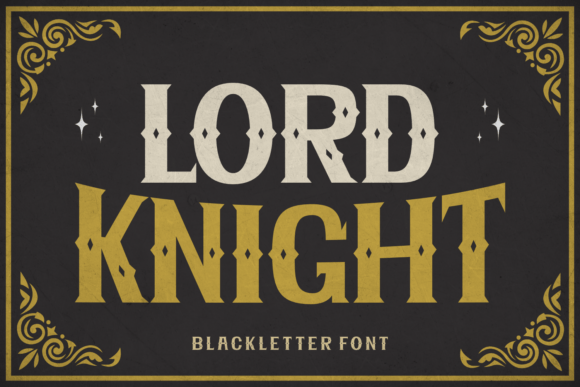
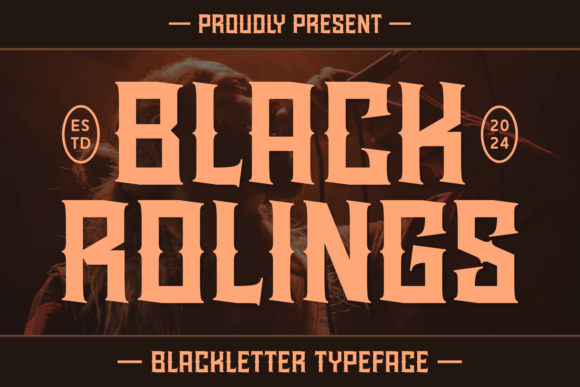
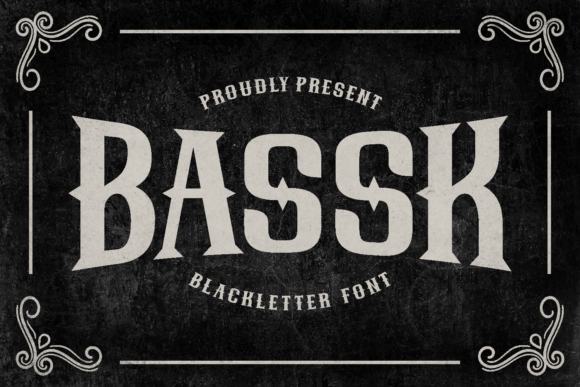
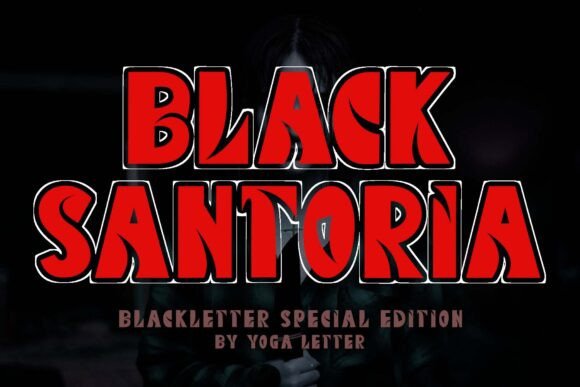
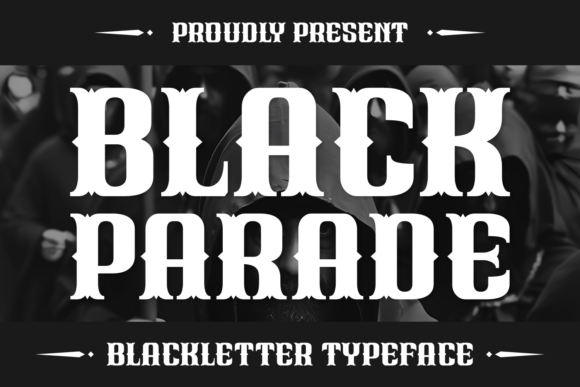
Black Parade is not merely a replication of ancient calligraphy; it is a refined interpretation designed for modern eyes. The font combines traditional, old-world letter shapes with a clean, bold structure. This duality is its primary selling point. While many blackletter fonts suffer from excessive ornamentation that hinders readability, Black Parade strips away unnecessary flourishes while retaining the dramatic verticality and sharp angles characteristic of the style.
The "clean" aspect of its description refers to its consistent stroke weight and predictable spacing. In a sea of variable-quality gothic fonts, Black Parade offers a uniform appearance that feels intentional rather than chaotic. It avoids the jagged, overly complex edges found in some authentic Fraktur or Textura reproductions, opting instead for a streamlined silhouette. This makes it significantly easier to read at smaller sizes or when viewed from a distance, provided the text remains short.
Furthermore, the font possesses a strong, classic style that evokes a sense of authority and tradition. However, it does not feel archaic. The modern touch lies in its geometric precision. The letters are constructed with a clarity that appeals to contemporary design sensibilities, which favor minimalism and functionality even within decorative contexts. This blend allows Black Parade to function not just as a novelty, but as a serious design element capable of anchoring a layout.
Comparative Analysis: Display vs. Body Text
When selecting a typeface, one of the first decisions a designer must make is the hierarchy of information. Black Parade falls squarely into the category of display typography. This distinction is critical because it dictates how the font should be used relative to other elements on a page.
- Display Fonts: Designed for headlines, logos, and large-scale graphics. They prioritize impact over efficiency. Black Parade excels here, offering immediate visual recognition.
- Body Fonts: Designed for paragraphs of text. They prioritize readability and eye comfort over time. Black Parade is generally unsuitable for extended reading due to its high visual noise and complex character shapes.
Many novice designers make the mistake of using bold, decorative fonts for body copy, leading to user fatigue and poor accessibility. Black Parade serves as a reminder that decorative fonts require restraint. Its strength lies in its ability to act as a focal point. When compared to sans-serif or serif body fonts, Black Parade provides a stark contrast that can highlight key messages without overwhelming them. The tradeoff is clear: you gain immense stylistic power, but you lose versatility in long-form content.
Ideal Use Cases and Application Scenarios
Understanding where Black Parade fits best helps mitigate the risks associated with its bold nature. Based on its visual properties, several scenarios stand out as particularly well-suited for this typeface.
Event Posters and Concert Graphics
The most common application for Black Parade is in the entertainment industry, particularly for rock, metal, and punk music events. The font’s aggressive yet structured form mirrors the energy of these genres. For concert posters, flyers, and ticket designs, Black Parade delivers the necessary intensity. It communicates rebellion and tradition simultaneously, appealing to audiences who value both heritage and modern edge.
Logo Design for Heritage Brands
Brands seeking to project stability, history, and craftsmanship often turn to blackletter. A brewery, a tattoo parlor, or a bespoke tailor might choose Black Parade to signal quality and timelessness. Unlike script fonts, which can appear fragile, Black Parade appears solid and enduring. When used in a logo, it suggests that the brand is established and confident. However, designers must ensure the logo scale is large enough to allow the intricate details of the letters to breathe.
Editorial Headlines and Magazine Covers
In print media, Black Parade can be used sparingly for section headers or cover titles. Its vintage appeal adds a layer of sophistication that modern sans-serifs lack. It works particularly well for articles related to history, true crime, or cultural commentary. The font adds gravity to the subject matter, encouraging the reader to take the content seriously.
Tradeoffs and Limitations
No typeface is universally perfect, and Black Parade comes with specific constraints that designers must navigate.
Readability Constraints
While cleaner than its predecessors, Black Parade is still dense. Long sentences set in this font become difficult to parse. The human brain recognizes words by their overall shape, and the complexity of blackletter disrupts this process. Therefore, Black Parade should never be used for navigation menus, subtitles, or legal disclaimers. Its limitation is functional: it is a headline font, not a paragraph font.
Licensing and Availability
As with many specialized fonts, licensing terms vary. Some versions may be free for personal use but require commercial licenses for business projects. Designers must verify the usage rights before integrating Black Parade into client work. Additionally, availability across different operating systems and web platforms (via @font-face) should be checked to ensure consistency across devices.
Overuse and Cliché
Because blackletter is a recognizable trope, there is a risk of cliché. Using Black Parade in a generic way can make a design feel dated or unoriginal. To avoid this, designers should pair it with minimalist layouts, ample white space, and modern color palettes. The contrast between the old-world font and a clean, modern background creates tension and interest, preventing the design from looking like a costume party prop.
Decision Factors: Is Black Parade Right for Your Project?
Selecting the right font requires evaluating the core message of the project. Consider the following questions to determine if Black Parade is the appropriate choice.
- What is the tone? If the project requires a tone that is bold, historic, rebellious, or premium, Black Parade is a strong candidate. If the tone is friendly, corporate, or tech-focused, a sans-serif or geometric font would be more effective.
- What is the medium? For large-format prints like billboards, posters, and packaging, Black Parade shines. For small screens, mobile apps, or dense informational interfaces, it is likely too heavy and distracting.
- How much text is needed? If the project relies on short, punchy phrases, Black Parade will deliver maximum impact. If the project involves extensive copy, Black Parade should be reserved for accent text only.
For designers comparing options, Black Parade stands out as a bridge between the past and present. It offers the gravitas of traditional calligraphy without the chaos of authentic historical scripts. It is a tool for emphasis, not explanation. When used with intention, it can elevate a design from ordinary to iconic.
Conclusion
Black Parade represents a thoughtful evolution of the blackletter genre. By prioritizing cleanliness and boldness, it has carved out a niche in modern graphic design. It is not a replacement for standard body fonts, nor is it intended to be. Instead, it serves as a powerful accent that commands attention and conveys a specific mood. For adults in the creative field who are evaluating typefaces for projects requiring a gothic, vintage, or authoritative look, Black Parade offers a reliable and visually striking option. The key to success lies in respecting its limitations—using it for impact rather than information—and pairing it with complementary design elements that enhance its classic appeal.