Heavy Utopia: Evaluating a Bold Blackletter for High-Impact Design
In the landscape of digital and print typography, the selection of a typeface is rarely just an aesthetic choice; it is a strategic decision that influences readability, brand perception, and emotional resonance. Among the vast array of available fonts, blackletter styles occupy a distinct niche, often associated with heritage, authority, and dramatic visual weight. Heavy Utopia enters this space not as a historical reproduction, but as a modern interpretation designed to deliver immediate visual impact. This analysis examines the font’s structural characteristics, its practical applications across various media, and its suitability for professional design workflows.
Defining Heavy Utopia: Structure and Aesthetic Intent
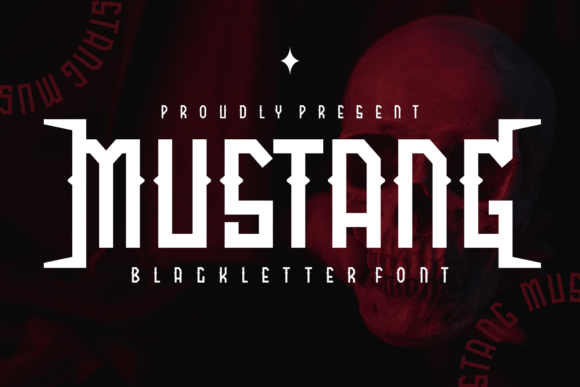
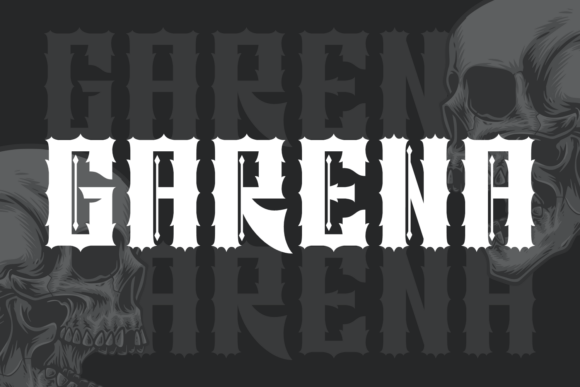
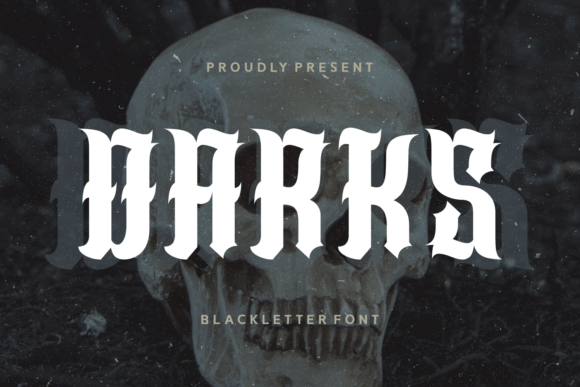
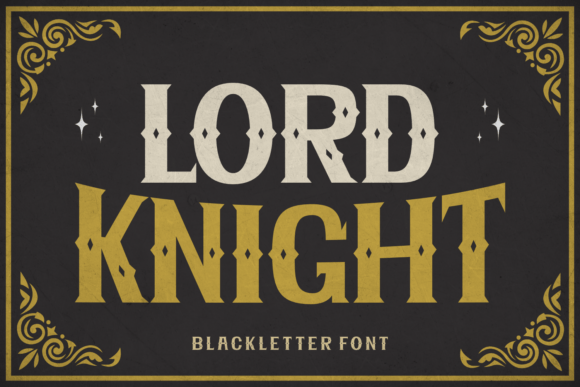
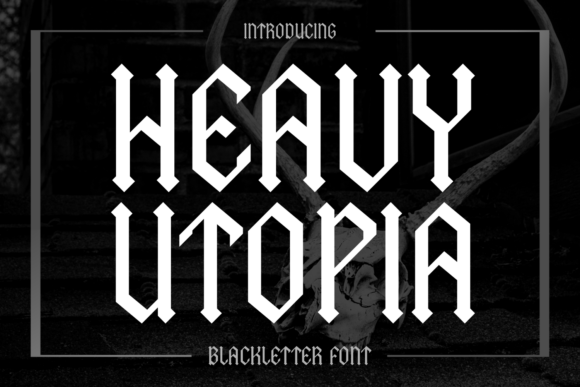
Heavy Utopia is categorized as a bold blackletter font, yet it diverges from the intricate, densely packed forms of traditional Fraktur or Textura scripts. Instead, it prioritizes clarity and presence. The typeface is defined by its sharp edges and thick lines, creating a silhouette that commands attention without sacrificing legibility entirely. This balance between aggressive styling and functional design is what makes Heavy Utopia worth discussing in contemporary contexts.
The font’s name suggests a juxtaposition of weight ("Heavy") and idealism ("Utopia"), which translates visually into a structure that feels both grounded and aspirational. It features a strong, traditional look rooted in calligraphic history but refined for modern screen and print resolution. The thick strokes provide a sense of permanence and stability, while the sharp serifs and angular transitions inject energy and precision. For designers seeking a typeface that can serve as a primary headline or a central logo element, Heavy Utopia offers a unique blend of elegance and power.
Key Characteristics and Technical Attributes
When evaluating any typeface for long-term use, understanding its technical anatomy is crucial. Heavy Utopia exhibits several distinct features that contribute to its performance:
- Stroke Contrast: Unlike sans-serif fonts that maintain uniform thickness, Heavy Utopia utilizes significant contrast between its thick vertical stems and thinner connecting lines. This variation creates visual rhythm and guides the eye through the text.
- Sharp Geometry: The corners and terminals are sharply defined. This geometric precision gives the font a clean, almost architectural quality, distinguishing it from more organic or hand-drawn blackletter styles.
- Bold Weight: As the name implies, the default weight is heavy. This makes it less suitable for body copy but highly effective for display purposes where scale allows the details to be appreciated.
- Elegant Proportions: Despite its boldness, the letterforms retain a sense of refinement. The spacing (kerning) is generally tight but controlled, ensuring that characters do not bleed into one another even at smaller display sizes.
These characteristics suggest that Heavy Utopia is engineered for high-visibility applications. It is not a background element; it is a foreground asset. The font’s ability to maintain its integrity across different scales is a testament to its thoughtful construction.
Practical Applications and Real-World Performance
The true test of a font lies in its application. Heavy Utopia shines in scenarios where immediate recognition and strong branding are paramount. Below are specific areas where this typeface demonstrates particular value.
Logo Design and Brand Identity
For entrepreneurs and small business owners, a logo must work at various sizes, from a favicon to a billboard. Heavy Utopia’s strong lines ensure that the mark remains recognizable even when reduced in size. Its traditional yet powerful appearance makes it particularly effective for brands in industries such as:
- Artisanal Crafts: Breweries, distilleries, and bakeries often leverage blackletter to evoke a sense of heritage and craftsmanship.
- Entertainment and Media: Movie posters, album covers, and event flyers benefit from the dramatic flair of Heavy Utopia, which adds a layer of sophistication and intensity.
- Luxury and Fashion: The elegant aspect of the font allows it to fit within premium branding strategies, suggesting exclusivity and high quality.
Editorial and Publication Design
Educators, publishers, and bloggers may find Heavy Utopia useful for section headers, pull quotes, or chapter titles. While it should never be used for dense paragraphs of text due to readability constraints, its use as a display font can break up white space and add visual interest to long-form content. In educational materials, it can help highlight key concepts or titles, drawing the student’s eye to important information.
Digital Marketing and Social Media
In the crowded feed of social media platforms, static images need to stop the scroll. Heavy Utopia’s bold presence ensures that text overlays on images remain legible and impactful. Marketers can use this font to create striking thumbnails for videos or promotional banners. However, caution is advised regarding color contrast; because the font is dark and complex, pairing it with light backgrounds or using ample negative space is essential for optimal visibility.
Audience Fit and Professional Considerations
Who benefits most from integrating Heavy Utopia into their workflow? The answer depends on the specific goals of the project and the target audience.
Freelancers and Agencies: For creative professionals pitching to clients in the lifestyle, food, or entertainment sectors, having access to a versatile blackletter like Heavy Utopia expands their toolkit. It allows them to propose designs that feel both timeless and contemporary. The font’s reliability means fewer hours spent adjusting kerning or fixing rendering issues, allowing for faster turnaround times.
Small Business Owners: Those looking to establish a strong brand identity without hiring a dedicated typographer can rely on Heavy Utopia for consistency. Its pre-designed nature ensures that the letters fit together harmoniously, reducing the risk of amateurish errors in self-made marketing materials.
Creators and Hobbyists: For serious hobbyists involved in DIY projects, zine making, or custom merchandise, Heavy Utopia offers a professional finish. Whether printing t-shirts, creating stickers, or designing event posters, the font’s durability and style translate well to physical substrates.
Potential Limitations and Best Practices
No typeface is universally applicable, and Heavy Utopia is no exception. Understanding its limitations is as important as recognizing its strengths.
Legibility Constraints: Due to its complexity, Heavy Utopia is unsuitable for body text. Using it for paragraphs will fatigue the reader and hinder comprehension. Designers should strictly reserve it for headlines, titles, and short phrases.
Contextual Appropriateness: The font carries strong cultural connotations. In certain contexts, blackletter can be associated with outdated or exclusionary imagery. Professionals must be mindful of their audience and industry norms. For tech startups or healthcare providers seeking a friendly, approachable tone, Heavy Utopia may clash with the desired brand voice. It is best suited for brands that wish to project strength, tradition, or drama.
Pairing Challenges: Finding a complementary typeface for body copy requires care. Since Heavy Utopia is so dominant, it pairs best with simple, neutral sans-serifs or clean serifs that do not compete for attention. Avoid pairing it with other decorative fonts, as this can create visual chaos.
Long-Term Value and Conclusion
Evaluating Heavy Utopia through the lens of long-term value reveals a font that balances trendiness with timelessness. While blackletter styles can sometimes feel dated if overused, Heavy Utopia’s modern execution keeps it relevant. Its sharp edges and thick lines provide a versatility that allows it to adapt to various design trends without losing its core identity.
For professionals who prioritize clear communication and strong visual hierarchy, Heavy Utopia is a valuable asset. It offers the dramatic impact needed to capture attention and the structural integrity required for professional presentation. By understanding its strengths in display roles and respecting its limitations in body text, designers can leverage Heavy Utopia to create compelling, memorable designs. Ultimately, the font serves as a tool for those who wish to make a statement—one that is bold, elegant, and undeniably powerful.