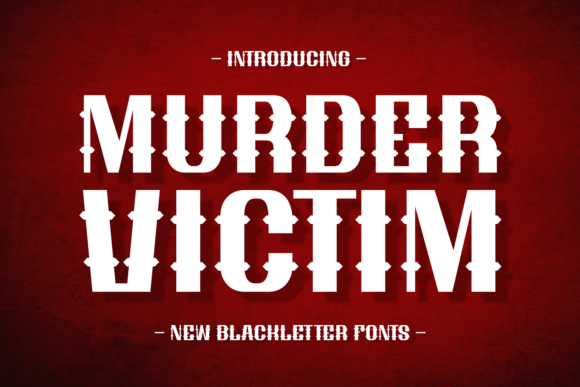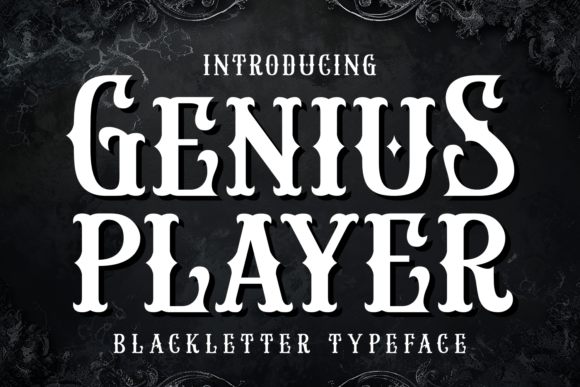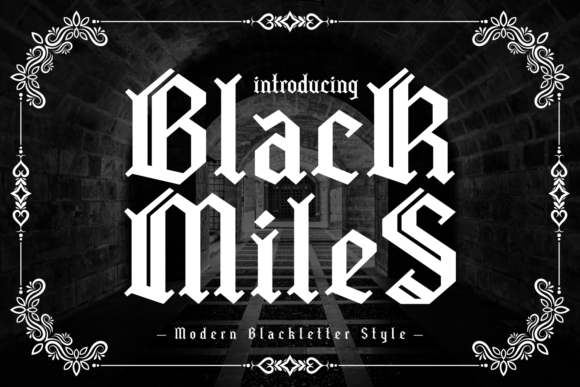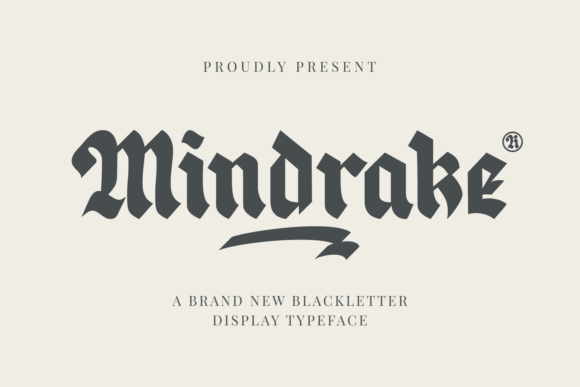
Wild Eagle Font: Merging Gothic Boldness with Modern Design
The world of typography is a blend of history, artistry, and innovation. Among the many fonts that have captured the imagination of designers and typographers alike, Wild Eagle stands out as a unique evolution of the traditional blackletter style. This font takes inspiration from the bold, intricate nature of Gothic typefaces while introducing sleek, contemporary elements that make it highly versatile in today's design landscape. Whether you're working on branding, fashion labels, or product packaging, Wild Eagle offers a compelling way to merge historical aesthetics with modern functionality.
What is the Blackletter Style?
To understand Wild Eagle, we must first look at its roots in the blackletter tradition. Also known as Gothic script, blackletter originated in medieval Europe and was widely used for handwritten manuscripts before the invention of the printing press. It features dense, angular strokes and often resembles calligraphy, giving it a sense of gravitas and timelessness.
- Characteristics: Sharp angles, thick vertical lines, and elaborate serifs.
- Historical Use: Commonly found in religious texts, legal documents, and old newspapers.
- Variants: Includes styles like Textura, Fraktur, and Schwabacher.
While blackletter fonts are admired for their visual impact, they can be challenging to read in large blocks of text due to their ornate nature. This has led to a decline in their use over the years, especially in digital contexts. However, the demand for fonts that evoke a strong sense of heritage and character remains high, paving the way for modern reinterpretations like Wild Eagle.
Why Modernize a Historical Font?
Designers and brands today seek fonts that not only look good but also perform well across different platforms and media. Traditional blackletter fonts, though beautiful, often lack the clarity and adaptability needed for modern applications such as websites, mobile apps, and social media content. By modernizing blackletter through a font like Wild Eagle, designers can enjoy the dramatic flair of Gothic typography while benefiting from improved legibility and versatility.
This transformation isn't just about aesthetics—it's also about usability. The clean lines and balanced proportions of Wild Eagle allow it to maintain the essence of blackletter without compromising readability. As a result, it's an excellent choice for logos, headings, and other visual elements where making a strong impression is key.
Key Features of the Wild Eagle Font
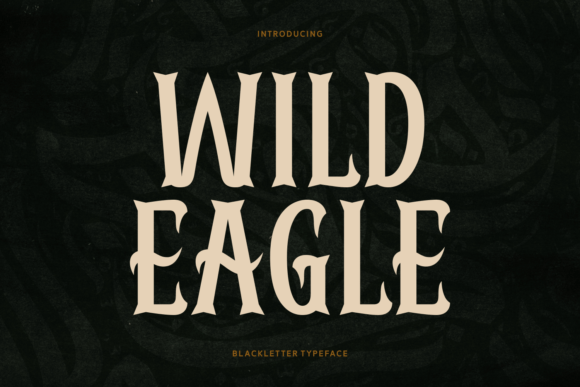
Wild Eagle is more than just a pretty face; it's a carefully crafted typeface designed to serve both form and function. Here are some of its defining characteristics:
- Bold Structure: Like its blackletter ancestors, Wild Eagle carries a strong presence with its dark, heavy strokes.
- Contemporary Refinement: The font incorporates subtle modern touches, such as smoother curves and more open apertures, which enhance its readability.
- Intricate Details: Each letterform retains the rich detail and complexity of Gothic lettering, offering a handcrafted feel.
- Multiple Weights and Styles: Wild Eagle is available in various weights and may include italic or condensed versions, allowing for greater flexibility in design projects.
- Unicode Support: Designed with international language support in mind, making it suitable for global audiences.
How These Features Benefit Designers
These features make Wild Eagle particularly appealing for a wide range of uses. Its boldness commands attention, making it ideal for headlines and brand names. At the same time, the refined details ensure it doesn’t lose its charm when used in smaller sizes or in digital formats. The availability of multiple styles means that designers can easily match the tone of their project—whether it’s a luxury fashion label or a rugged outdoor gear brand.
Applications of Wild Eagle in Contemporary Design
Fonts play a critical role in shaping brand identity and user experience. Wild Eagle’s unique aesthetic makes it a powerful tool in several design fields:
Branding and Logos
Many brands use typography as a core element of their visual identity. Wild Eagle is perfect for creating logos that convey strength, tradition, and sophistication. For example, a craft brewery might choose Wild Eagle to reflect its artisanal roots while maintaining a fresh, modern image. Similarly, a luxury watchmaker could use it to emphasize craftsmanship and timeless elegance.
Fashion Labels and Apparel Design
In the fashion industry, typography is often used to communicate a brand’s personality. Wild Eagle’s dramatic and elegant appearance works well for high-end fashion labels, vintage-inspired collections, and even edgy streetwear brands. Its ability to evoke a sense of history aligns perfectly with the storytelling aspect of fashion branding.
Product Packaging and Labeling
Eye-catching packaging is essential in retail environments. Wild Eagle can add a distinctive touch to product labels, especially for items that aim to stand out with a classic yet modern vibe. Think of gourmet food products, handmade crafts, or specialty beverages—each can benefit from the visual richness this font brings.
Marketing Materials and Advertising
From posters to brochures, Wild Eagle enhances marketing collateral by adding a layer of visual intrigue. Its bold structure makes it ideal for taglines and headlines, while its refined details provide a level of sophistication that appeals to discerning audiences.
Digital Media and Web Design
Thanks to its optimized design, Wild Eagle performs well in digital settings. It can be used effectively in website headers, app interfaces, and even in social media graphics where a strong typographic statement is desired. Its balance between tradition and modernity ensures it looks great on both desktop and mobile screens.
Wild Eagle vs. Other Gothic Fonts
While there are many Gothic-style fonts available, Wild Eagle distinguishes itself through its thoughtful modernization. Let’s compare it to a few other popular options:
- Fraktur: A classic German blackletter style that’s difficult to read in long passages. Ideal for niche or decorative purposes only.
- Playfair Display: A serif typeface inspired by blackletter but designed for better readability in web and print. Lacks the raw, historical texture of Wild Eagle.
- Wild Eagle: Combines the best of both worlds—bold, stylish lettering with improved legibility and cross-platform performance.
One common misconception is that all Gothic fonts are outdated or unsuitable for modern design. However, with careful adaptation, these fonts can remain relevant and impactful. Wild Eagle proves that blackletter can evolve without losing its soul, making it a favorite among designers who want to create something both visually striking and functionally sound.
Choosing the Right Context for Wild Eagle
Despite its versatility, Wild Eagle is not a one-size-fits-all solution. To get the most out of it, consider the following factors when deciding whether to use it in your design:
- Tone and Message: Does your project require a bold, authoritative voice? If so, Wild Eagle can help establish that immediately.
- Legibility Needs: While Wild Eagle is more readable than traditional blackletter, it may still be too complex for body text or small-sized copy.
- Audience Consideration: Will your audience appreciate the historical nuance of blackletter, or might they find it confusing? Understanding your audience helps determine the appropriate typographic choices.
- Contrast and Pairing: Pairing Wild Eagle with a simpler sans-serif font can balance the design and guide the reader’s eye effectively.
Real-World Examples
Several notable brands and designers have embraced Wild Eagle for its unique appeal:
- Whiskey Branding: A premium whiskey label uses Wild Eagle for its name to evoke a sense of tradition and quality.
- Book Covers: Independent publishers have adopted the font for book titles, especially in genres like fantasy, horror, and historical fiction.
- Apparel Tags: Vintage clothing lines utilize Wild Eagle on tags and hangtags to highlight authenticity and heritage.
- Restaurant Menus: Some upscale dining establishments incorporate it into their menus for a sophisticated, nostalgic feel.
How to Use Wild Eagle Effectively
Using any font successfully requires understanding its strengths and limitations. Here are some tips to help you integrate Wild Eagle into your design projects:
- Use Sparingly: Because of its bold and intricate nature, it’s best reserved for headlines, logos, or short phrases rather than full paragraphs.
- Balance with Simpler Fonts: Pair it with a clean sans-serif or minimalist serif font to avoid overwhelming the viewer.
- Experiment with Color and Texture: The font’s deep roots in traditional typography mean it responds well to effects like embossing, drop shadows, and aged textures.
- Consider the Background: Ensure the background complements the font’s density. High contrast (e.g., white on black) typically works best.
- Test Across Devices: Confirm how the font appears on different screen sizes and resolutions to maintain consistency and readability.
By following these guidelines, you can harness the power of Wild Eagle while avoiding potential pitfalls such as poor legibility or visual clutter.
Why Wild Eagle Appeals to Designers
Wild Eagle resonates with designers for several reasons:
- Unique Aesthetic: It offers a distinctive look that sets it apart from more generic typefaces.
- Cultural Depth: The font connects users with a rich typographic history, adding emotional weight to the message being conveyed.
- Adaptability: With proper styling, it can fit into both traditional and cutting-edge design trends.
- Memorability: Its strong visual identity makes it easier for viewers to remember the associated brand or message.
Designers also appreciate the font’s ability to bridge the gap between nostalgia and novelty. In an era where retro aesthetics are increasingly popular, Wild Eagle allows them to tap into that trend without feeling outdated.
Common Misconceptions About Gothic Fonts
There are several myths surrounding Gothic-type fonts that can prevent people from using them effectively:
- They’re Only for Medieval Themes: While they do have historical roots, Gothic fonts can be adapted to suit a variety of modern themes—from tech startups to coffee shops.
- They’re Too Hard to Read: Many modern adaptations, including Wild Eagle, improve legibility significantly. With the right spacing and size, they can be quite functional.
- They’re Not Suitable for Digital Use: Thanks to advancements in font technology, Gothic fonts like Wild Eagle are now optimized for screens and responsive designs.
By dispelling these misconceptions, designers can explore new creative avenues and apply Gothic-inspired fonts more confidently in their work.
Wild Eagle in the Broader Design Landscape
Typography trends are cyclical, and Gothic fonts are currently enjoying a renaissance in both print and digital media. Wild Eagle fits seamlessly into this revival, offering a fresh take on an old favorite. Its popularity reflects a growing appreciation for fonts that tell a story and connect with cultural memory.
Moreover, the font embodies the principle of design fusion, where elements from different eras come together to create something innovative. This approach is increasingly valued in industries that thrive on originality, such as fashion, advertising, and entertainment.
Future of Gothic-Inspired Typography
As design continues to evolve, the future of Gothic-inspired fonts like Wild Eagle looks promising. With more emphasis on personal expression and brand authenticity, fonts that carry a sense of history and individuality will remain in demand. Additionally, as AI and machine learning shape the tools available to designers, we can expect to see even more creative variations and applications of Gothic-style typography.
Whether used in print, digital, or hybrid formats, Wild Eagle represents a forward-thinking approach to typography. It honors the past while embracing the present, making it a valuable asset for any designer looking to leave a lasting impression.
Conclusion
Wild Eagle is a testament to how traditional typography can be revitalized for the modern age. By blending the boldness and intricacy of blackletter with the clarity and adaptability of contemporary design, it serves as a bridge between history and innovation. From branding to fashion, and from packaging to digital media, this font offers a unique combination of visual impact and practical utility.
For those exploring typography, Wild Eagle is a reminder that fonts are more than just tools for communication—they are expressions of identity, culture, and creativity. When used thoughtfully, they can transform a simple message into a powerful visual statement.
If you’re looking to infuse your next design project with a touch of history and a dash of modernity, consider giving Wild Eagle a try. You might just discover a new dimension to your creative work.