Thane: A Gothic Hybrid Font for Strategic Branding and Creative Communication
In the world of typography, choosing the right font can be a powerful decision. It’s not just about aesthetics—it's about intentionality. Thane, a gothic hybrid font that blends blackletter with script elements, offers more than visual appeal. It provides a strategic advantage for professionals, entrepreneurs, and creators who want to stand out in their communication and design work. This article explores how Thane can be used thoughtfully to enhance your brand identity, marketing materials, and creative projects.
What Makes Thane Unique?
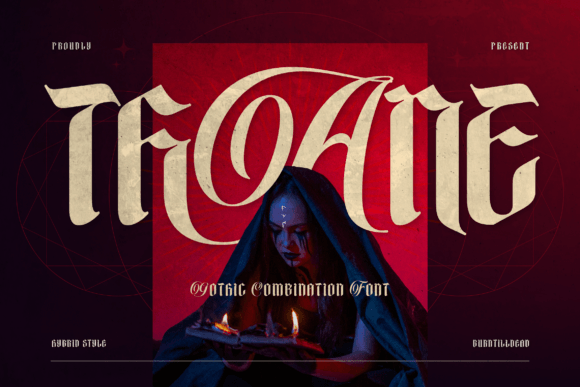
Thane is a typeface that bridges two expressive styles: the bold, angular lines of traditional blackletter and the fluid elegance of cursive script. The result is a font that feels both dramatic and refined. Its intricate strokes and strong character structure make it ideal for applications where impact and sophistication are equally important.
This hybrid nature allows Thane to communicate authority while maintaining an artistic flair. Unlike generic sans-serif or serif fonts, Thane stands apart by evoking a sense of heritage, creativity, and exclusivity. These qualities make it particularly valuable for niche brands, event invitations, fashion labels, and editorial content seeking to create a memorable impression.
Why Consider Thane for Your Projects?
- Brand Differentiation: In a crowded market, using Thane can help your brand feel more distinctive and purposeful. Its unique blend appeals to audiences looking for something beyond the ordinary.
- Emotional Resonance: The fusion of gothic and script elements adds depth and personality. This emotional connection can be especially effective in storytelling, product packaging, or personal branding.
- Visual Hierarchy Support: When used selectively, Thane can draw attention to key messages without overwhelming the rest of the design. It’s perfect for headlines, logos, or call-to-action text.
Strategic Use Cases for Thane
Thane isn’t a one-size-fits-all solution. To use it effectively, you need to align its characteristics with your project goals. Here are some practical scenarios where Thane shines:
1. Branding and Logo Design
For startups, boutique businesses, or independent creators, Thane can serve as the foundation for a bold yet elegant logo. Its historical undertones give it gravitas, while the script elements add warmth and approachability. For example, a vintage-inspired clothing line could use Thane in its logo to evoke authenticity and craftsmanship.
Planning Tip: Pair Thane with a clean secondary font to maintain readability across different touchpoints—business cards, websites, social media profiles.2. Event Invitations and Marketing Materials
Whether you're organizing a luxury wedding, a themed festival, or a high-end art exhibition, Thane brings a level of drama and sophistication that fits such contexts. Its ornate details can transform a simple invitation into a piece of art that reflects the event’s tone and prestige.
Use Case Example: A boutique winery launching a new vintage might use Thane in promotional posters and tasting event invites to emphasize tradition and quality.3. Streetwear and Apparel Design
Streetwear often relies on strong visual identities to resonate with youth culture. Thane can be a compelling choice for t-shirt designs, hoodies, or accessories where a balance between edgy and stylish is desired. Its boldness commands attention, while the script components allow for expressive taglines or brand names.
Consideration: Ensure the font remains legible at smaller sizes if used in embroidery or screen printing. Test variations before finalizing production assets.4. Merchandise and Product Packaging
Merchandise like mugs, stickers, or notebooks benefits from fonts that reflect the brand’s personality. Thane’s aesthetic versatility makes it suitable for limited-edition items or collections targeting a mature, discerning audience. Its presence on product packaging can elevate perceived value and encourage repeat purchases.
5. Poster and Magazine Design
Printed materials such as posters and magazine covers often require a strong visual anchor. Thane can act as that anchor when used for titles or pull quotes. It works especially well in niche publications focused on history, literature, or the arts, where a touch of old-world charm enhances the reader experience.
Observation: While Thane can elevate a design, overuse may lead to clutter. Apply it sparingly to ensure it remains a highlight rather than a distraction.How to Integrate Thane Thoughtfully
Integrating Thane into your workflow requires a strategic mindset. Here’s how to do it intentionally:
- Define Your Purpose: Before selecting Thane, ask what message you want to convey. Is it nostalgia? Sophistication? Creativity? Align the font with these themes.
- Test Across Media: Try Thane in print and digital formats. How does it render on a website versus a printed flyer? Does it hold up in grayscale or color?
- Balance with Simplicity: Thane should complement, not dominate. Use it alongside minimalist fonts to guide the viewer’s eye and reinforce hierarchy.
- Stay Consistent: If you decide to use Thane in multiple places (e.g., your logo and social media headers), ensure consistency in weight, spacing, and context to build brand recognition.
Color and Background Considerations
Thane’s dark, gothic roots mean it typically performs best on light backgrounds. However, with careful contrast management, it can also look striking against darker tones. Avoid overly busy or patterned backgrounds, which can diminish its clarity and elegance.
Risks of Using Thane Without Strategy
Despite its strengths, Thane carries risks when used carelessly. One common issue is poor legibility, especially in long paragraphs or small text. Another is misalignment with brand voice—if your business is modern and tech-driven, Thane might feel out of place.
Avoid using Thane in situations requiring high readability, such as pricing lists, legal documents, or instructional guides. Instead, reserve it for decorative elements where style complements substance without compromising function.
Decision-Making Guidance: Always consider the audience and context. Ask whether the font supports the message or detracts from it. If unsure, test alternatives side-by-side to see what resonates most.Long-Term Value and Positioning
Fonts like Thane contribute to long-term brand positioning. When used consistently and appropriately, they become part of the brand’s identity language. Think of it as the typographic equivalent of a signature scent or color scheme—it reinforces what your brand stands for.
Moreover, Thane’s adaptability means it can evolve with your brand. As you grow and expand into new markets or product lines, you may find ways to reinterpret its use, keeping your brand fresh while maintaining core values.
Learning from Successful Integrations
Several designers have successfully integrated Thane into their workflows. For instance, a lifestyle blogger rebranded her platform around the theme of “timeless elegance,” using Thane for blog titles and feature headers. The change led to increased engagement and a stronger emotional connection with her audience.
Another case involves a streetwear label that leveraged Thane for seasonal campaign visuals. By pairing it with muted tones and geometric layouts, they created a cohesive yet dynamic look that boosted sales and customer loyalty.
Planning Ahead with Thane
To maximize the impact of Thane, plan its usage during the early stages of your design process. Decide which parts of your project will benefit most from its character. Will it be the headline of a poster? The title of a book cover? The name on a custom-designed t-shirt?
Once identified, create a style guide that outlines how and when to use Thane. Include notes on size, spacing, and color treatments to ensure alignment with your overall brand strategy.
Collaborative Workflows and Team Communication
When working in teams, clear communication about font usage is essential. Make sure all stakeholders understand the role of Thane in the project. Share examples of good and bad use cases internally to avoid inconsistencies and misuse.
Conclusion: Use Thane with Purpose
Thane is more than a font—it’s a tool for intentional design and strategic communication. Its ability to merge the strength of blackletter with the grace of script makes it a versatile asset in many industries. However, like any design element, it must be applied with care and understanding.
By evaluating your goals, testing use cases, and planning ahead, you can leverage Thane to enhance your brand’s visibility, creativity, and effectiveness. Remember, the best typography doesn't shout; it speaks with purpose. Let Thane be the voice that elevates your message.