Monster Phantom: A Bold Choice for Horror and Elegance in Typography
When it comes to choosing the right font for a design project, especially one that leans into horror, fantasy, or seasonal themes, the visual impact of typography can't be overstated. Monster Phantom is a distinctive blackletter font that combines gothic aesthetics with a modern twist, making it an appealing option for those looking to evoke mystery, darkness, or elegance in their work. This article explores what Monster Phantom offers, how it compares to other fonts in its category, and where it excels best.
The Unique Characteristics of Monster Phantom
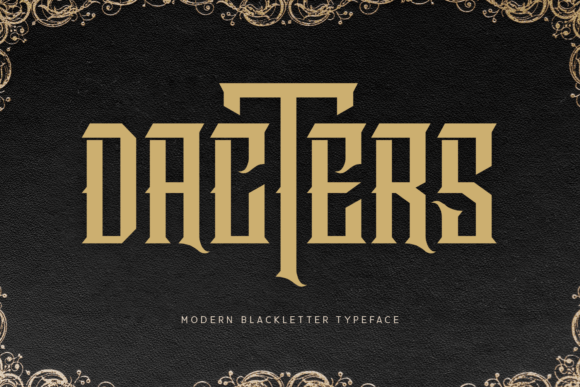
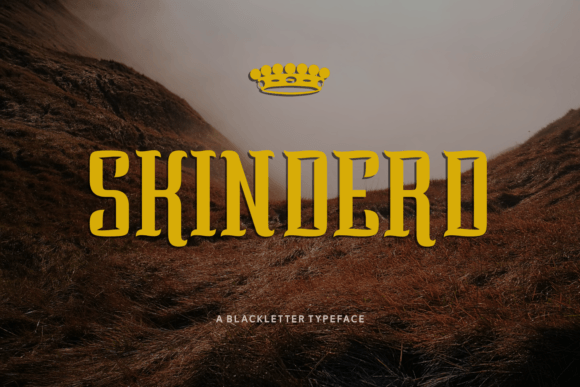
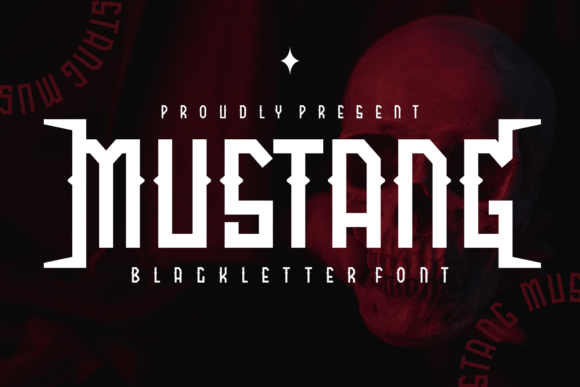
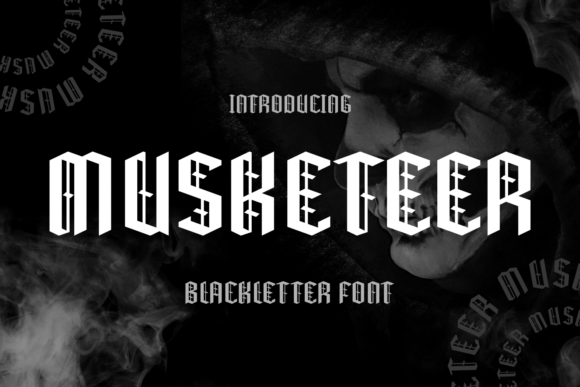
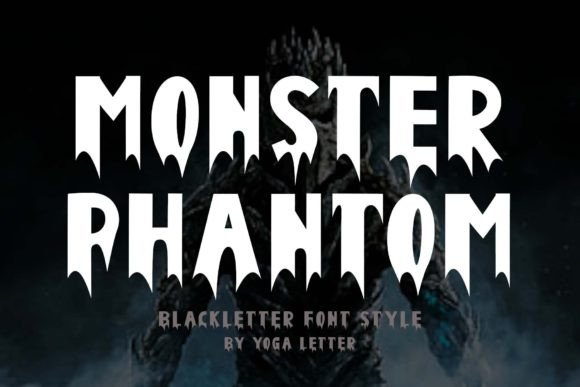
Monster Phantom stands out due to its bold, ornate blackletter style. Unlike many traditional Gothic fonts that lean heavily on historical calligraphy, Monster Phantom integrates subtle variations in stroke width and character shape to create a more dynamic and visually engaging appearance. The font includes both uppercase and lowercase letters, numerals, punctuation marks, and multilingual support, which makes it versatile for international use while maintaining its thematic integrity.
Its elegant yet haunting design gives it a dual appeal — it can look sinister when used for horror-themed projects and refined when applied to more sophisticated contexts like branding or editorial design. The presence of ligatures and alternate characters further enhances its typographic flexibility, allowing designers to tailor the font's look to specific needs without compromising legibility.
Who Is Monster Phantom For?
This font is ideal for professionals in graphic design, event planning, publishing, and marketing who are targeting audiences interested in Halloween, metal concerts, fantasy films, or autumnal themes. It’s also well-suited for print materials such as posters, stickers, invitations, and banners where a strong visual statement is required.
Designers working in niche markets — such as horror movie titles, album covers for heavy metal bands, or promotional content for themed cafes — will find Monster Phantom particularly useful. Its ability to convey both fear and sophistication allows it to adapt across different creative applications.
Comparing Monster Phantom to Other Gothic Fonts
Blackletter fonts come in many forms, from the rigid and formal to the wild and chaotic. Monster Phantom occupies a unique space between these extremes. While some Gothic fonts may prioritize readability at the expense of flair, others may sacrifice clarity for dramatic effect. Monster Phantom manages to balance both, offering enough detail to appear artistic without becoming too difficult to read in standard text sizes.
- Traditional Blackletter Fonts: Fonts like Cloister Black or Fraktur often have a very rigid structure and are based closely on medieval scripts. Monster Phantom introduces a more fluid and stylized approach, which makes it feel less formal and more expressive.
- Modern Gothic Fonts: Contemporary options such as Beowulf or Unicase Gothic tend to simplify the blackletter form for better screen performance. Monster Phantom retains the complexity of classic blackletter but refines it for broader usability across media types.
- Elegant Script Fonts: Fonts like Brush Script or Playfair Display offer beauty and sophistication but lack the horror aesthetic. Monster Phantom merges elegance with a darker tone, making it suitable for designs that want to maintain class while still delivering a sense of dread.
Strengths and Tradeoffs
One of the key strengths of Monster Phantom is its versatility. Whether you're designing a Halloween poster or a Christmas banner, this font has the ability to fit within various thematic settings due to its rich texture and adaptable style. Additionally, its inclusion of lowercase letters sets it apart from many traditional blackletter fonts, which often only provide uppercase characters.
However, there are tradeoffs to consider. Because of its intricate design, Monster Phantom might not be the best choice for body text in long documents. Its visual weight and decorative elements can cause fatigue if overused. Similarly, in digital formats such as websites or mobile apps, it may require careful implementation to ensure legibility and compatibility across devices.
Best-Fit Situations for Monster Phantom
Monster Phantom shines in scenarios where typography plays a central role in conveying mood or atmosphere. Here are some examples of when it might be the right choice:
- Halloween Designs: From haunted house signs to costume party flyers, Monster Phantom adds a spooky, mysterious edge that aligns perfectly with the season.
- Metal Concert Posters: The font's dark and edgy appearance complements the aggressive tone of heavy metal music, making it an excellent fit for band logos or event announcements.
- Fantasy Films and Comics: With its elegant and slightly menacing look, Monster Phantom can enhance title cards, credits, or promotional material for fantasy or supernatural content.
- Seasonal Branding: For businesses that want to incorporate fall or Christmas themes into their branding, Monster Phantom provides a stylish and thematic solution without feeling outdated.
- Print Media: Stickers, banners, and invitations benefit from Monster Phantom’s high contrast and decorative elements, which stand out in physical formats.
Limitations and Considerations
Despite its strengths, Monster Phantom isn’t a universal solution. Designers should be aware of certain limitations before committing to it for a project:
- Legibility Concerns: In smaller text sizes or dense paragraphs, the font’s ornate features may reduce readability. It’s best suited for headlines, titles, and short bursts of text.
- Color Contrast: Due to its deep black tones and fine details, using light or pastel colors on dark backgrounds could diminish its impact. Careful color pairing is essential.
- Device Compatibility: As with most stylistic fonts, Monster Phantom may not render consistently across all platforms or browsers unless properly embedded or converted to outlines.
Additionally, while the font supports multiple languages, users should verify whether specific glyphs for their language of choice are included, especially for less commonly used alphabets or special characters.
Alternatives to Consider
If Monster Phantom doesn't meet your exact needs, there are several other fonts and styles worth exploring. Each has its own set of advantages and drawbacks depending on the context:
- For More Readability: Consider simpler blackletter fonts like Blackadder ITC or Kuenstler Script, which offer a cleaner, more readable alternative for extended text use.
- For Digital Use: If you need a font that works well on screens, explore condensed or simplified Gothic typefaces like Bauhaus 93 or Gothic A1. These fonts retain the essence of blackletter while improving web performance.
- For a Different Tone: If you're aiming for something lighter or more whimsical, a serif font like Creepster or Notte could provide a similar vibe with a different level of intensity.
Ultimately, the decision depends on the message you’re trying to send and the audience you’re reaching. Monster Phantom is best reserved for situations where visual impact and thematic alignment take precedence over pure readability.
Real-World Applications
Let’s look at a few real-world examples of how Monster Phantom can be effectively used:
- A film studio launching a new horror movie uses Monster Phantom for the title card, giving it a classic yet modern feel that draws attention without being overwhelming.
- An event planner creates a metal concert invitation using Monster Phantom to highlight the band name and date, ensuring it looks fierce and memorable.
- A bakery specializing in spooky-themed desserts during October incorporates Monster Phantom into their social media graphics, creating a cohesive and immersive brand experience.
How to Decide if Monster Phantom Is Right for You
Selecting the perfect font involves more than just picking a style you like; it requires understanding your project’s goals and constraints. Ask yourself the following questions before choosing Monster Phantom:
- Is my design focused on a horror, fantasy, or seasonal theme? If yes, Monster Phantom could help reinforce the mood.
- Do I need a font that supports both uppercase and lowercase letters for varied text layouts? Monster Phantom includes both, adding to its flexibility.
- Will the font be used primarily for display purposes rather than body text? Monster Phantom is optimized for headings and titles.
- Am I comfortable adjusting spacing, kerning, or color to accommodate its complex design? Fine-tuning can make a big difference in the final output.
Answering "yes" to these questions suggests that Monster Phantom is a solid candidate. However, if your project demands a minimalist or highly readable font, you may want to explore alternatives that better suit your needs.
Final Thoughts on Typographic Choices
In the world of design, the right font can transform a simple layout into a powerful visual statement. Monster Phantom offers a compelling blend of horror-inspired aesthetics and elegant blackletter craftsmanship, positioning itself as a top contender for themed and artistic projects. Its thoughtful inclusion of lowercase letters, numerals, and multilingual support makes it more functional than many of its peers in the same genre.
Still, no single font fits every scenario. By evaluating your project's requirements and considering the broader context — including readability, technical limitations, and stylistic goals — you can determine whether Monster Phantom is the best fit or if another option might serve you better. The key is to match the font to the message, ensuring that your design communicates clearly and effectively while leaving a lasting impression.