Musketeer: A Bold Choice for Designs That Demand Attention
In a digital landscape saturated with clean sans-serifs and minimalist layouts, standing out often requires leaning into history. This is where Musketeer comes in. It isn’t just another decorative typeface; it is a blackletter font that carries the weight of tradition while offering the sharp, graphic punch needed to capture modern attention. If you are a designer, marketer, or small business owner looking to inject a sense of elegance, authority, or medieval flair into your projects, understanding how to wield this tool effectively is key.
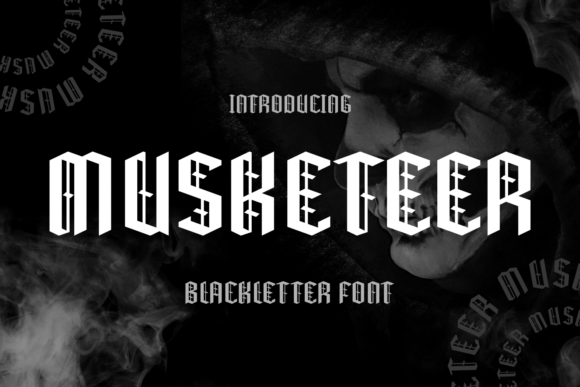
Musketeer features bold, intricate details and sharp edges that immediately signal a specific mood. It evokes the feeling of old manuscripts, heraldry, and classic literature. However, using it correctly means moving beyond simply slapping it on a page. It requires an understanding of context, legibility, and the emotional response you want to trigger in your audience. Whether you are creating a wedding invitation, a beer label, or a blog header, Musketeer offers a distinct visual language that, when used well, can elevate a design from ordinary to memorable.
Understanding the Aesthetic of Musketeer
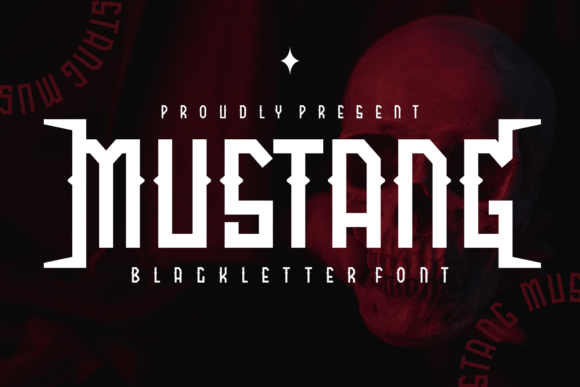
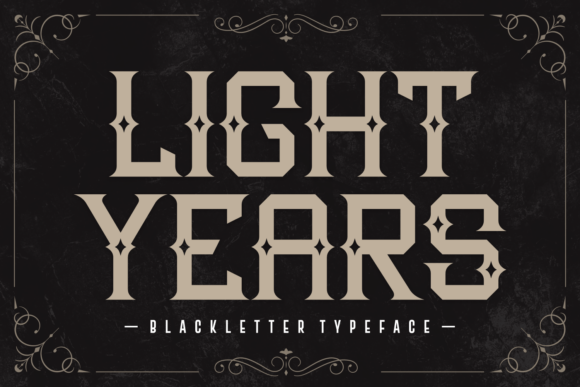
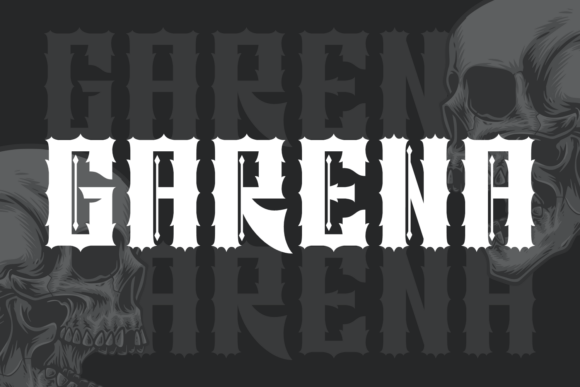
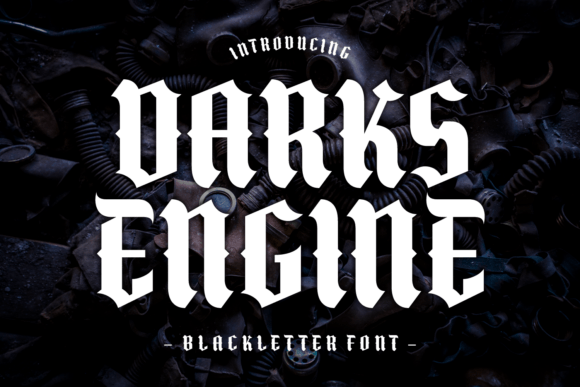
Before diving into applications, it helps to understand what makes Musketeer tick visually. As a blackletter typeface, it draws inspiration from Gothic scripts used in Europe during the Middle Ages. The defining characteristic is its high contrast between thick vertical stems and thin horizontal connections, along with the sharp, angular terminals. Unlike some other blackletter fonts that can feel cluttered or difficult to read at small sizes, Musketeer maintains a certain clarity through its structured geometry.
The "bold" nature of this font is not just about weight; it is about presence. It commands space. When you place Musketeer on a canvas, it refuses to be ignored. This makes it ideal for headlines, titles, and short phrases where impact matters more than paragraph-length readability. The intricate details—those little flourishes and sharp points—add a layer of craftsmanship that suggests quality and tradition. For users who value aesthetics that feel hand-crafted yet precise, Musketeer bridges the gap between historical authenticity and modern graphic design needs.
Real-World Applications for Creators and Businesses
The versatility of Musketeer lies in its ability to adapt to various industries, provided the context aligns with its historical roots. Here are several realistic scenarios where this font shines, helping you visualize how it might fit into your own work.
Event Invitations and Stationery
One of the most common and effective uses for Musketeer is in event design. Think about weddings with a vintage theme, masquerade balls, or formal galas. The font’s elegant and traditional vibe pairs beautifully with cream-colored paper stocks, gold foil stamping, or wax seals. Imagine a save-the-date card for a castle-themed wedding. Using Musketeer for the names and main headers instantly sets the tone without needing excessive imagery. It tells the guest, "This is a formal, special occasion," before they even read the details.
Similarly, for birthday parties celebrating a "knight" or medieval theme for children, Musketeer adds an authentic touch that generic fantasy fonts might miss. It feels grounded and real, rather than cartoonish.
Packaging for Artisanal Products
If you run a small business selling goods that pride themselves on heritage or craftsmanship, Musketeer is a powerful ally. Craft breweries, wineries, and distilleries frequently use blackletter fonts to evoke the image of old-world brewing traditions. A label for a stout beer or a dark ale looks significantly more premium when the brand name is set in Musketeer compared to a standard bold sans-serif.
The same applies to spice merchants, herbalists, or apothecaries. The sharp, almost alchemical look of the letters complements packaging that features botanical illustrations or parchment textures. It signals to the consumer that the product inside is made with care, perhaps following recipes passed down through generations. In these cases, the font does the heavy lifting of communicating brand values before the customer even touches the bottle.
Music and Entertainment Posters
In the world of entertainment, genre-specific typography is crucial. For bands playing folk, metal, rockabilly, or classical fusion music, Musketeer provides the right atmospheric backdrop. A concert poster for a Celtic folk band benefits greatly from the organic, historical feel of the font. It connects the music to its cultural roots.
For horror or thriller genres, particularly those involving historical settings like Victorian mysteries or medieval sagas, Musketeer adds a layer of ominous elegance. It is sharp enough to suggest danger but refined enough to avoid looking cheap. Movie posters, book covers for historical fiction, and theater playbills all benefit from this dramatic tension.
Educational and Historical Content
For educators, bloggers, or publishers focused on history, literature, or the arts, Musketeer serves as a visual anchor. If you are writing a blog post about Shakespeare, the Renaissance, or European history, using Musketeer for pull quotes or section headers creates an immersive reading experience. It subtly reinforces the subject matter without distracting from the text itself.
In educational materials, such as worksheets or presentations about calligraphy or art history, showcasing Musketeer allows students to analyze the structure of blackletter script. It becomes both a content example and a design element, making learning more engaging by connecting theory with practice.
Practical Considerations Before You Use It
While Musketeer is a striking font, it is not a one-size-fits-all solution. To use it effectively, you must respect its limitations. The primary challenge with any blackletter typeface is legibility. Because of the intricate details and dense letterforms, Musketeer can become muddy if used in long paragraphs. It is best reserved for headlines, logos, and short text blocks. If you need to convey complex information, pair Musketeer with a clean, highly readable sans-serif or serif font for the body text. This contrast ensures that your message is accessible while still maintaining the aesthetic appeal.
Another consideration is color and background. Blackletter fonts rely heavily on contrast to show their details. Using Musketeer in white on a black background, or black on a light beige, works best. Avoid low-contrast combinations, such as gray text on a dark blue background, as the fine details will disappear. Additionally, be mindful of spacing. Blackletter fonts often require slightly wider tracking (letter-spacing) than modern fonts to breathe. Crowding the letters together can make them look like a solid block of ink rather than distinct characters.
Finally, consider your audience. Not everyone associates blackletter with elegance; some may view it as archaic or overly ornate. Ensure that your target demographic appreciates this style. For a tech startup aiming for a futuristic vibe, Musketeer would likely confuse users. But for a boutique hotel, a historic restaurant, or a creative agency specializing in branding, it is a perfect fit.
Maximizing Impact Through Pairing
The secret to using Musketeer successfully is often found in what you pair it with. Since Musketeer is so dominant, it needs a partner that can handle the grunt work of communication. A simple, geometric sans-serif creates a modern juxtaposition that feels fresh and contemporary. This combination is popular in fashion and lifestyle branding, where the goal is to mix old-world charm with new-world efficiency.
Alternatively, pairing Musketeer with a classic serif font like Garamond or Baskerville enhances the traditional feel. This is ideal for literary projects, academic publications, or high-end stationery. The combination feels cohesive and timeless, reinforcing the idea of permanence and quality.
Ultimately, Musketeer is more than just a font choice; it is a statement. It says that you value history, craftsmanship, and bold expression. By understanding its strengths and respecting its constraints, you can use it to create designs that don’t just look good—they feel significant. Whether you are designing a personal project or a commercial campaign, let Musketeer guide your vision toward something that stands out in a crowded world.