Modern Cavalry: A Bold Blackletter Font for Impactful Design
Fonts play a crucial role in design, shaping how messages are perceived and setting the tone of any visual project. Among the many typefaces available today, Modern Cavalry stands out as a distinctive blackletter font that combines strength with a vintage aesthetic. Originally inspired by traditional Gothic letterforms, it has evolved into a versatile tool for designers seeking to make a bold visual statement. This article explores the characteristics of Modern Cavalry, its applications, and when it might be the best choice—or when another font could serve better.
What is Modern Cavalry?
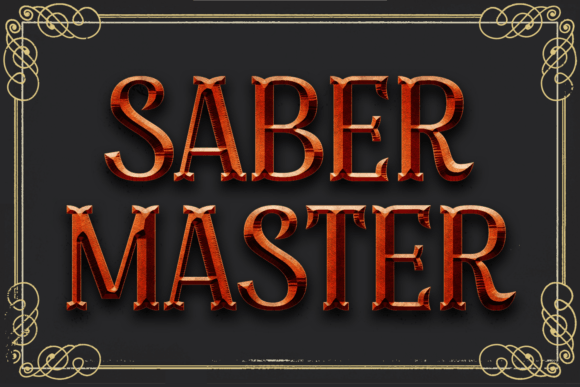
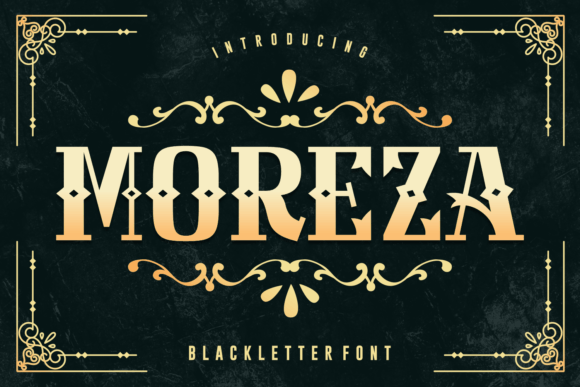
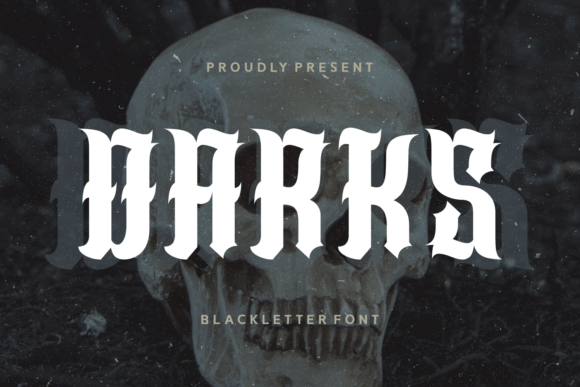
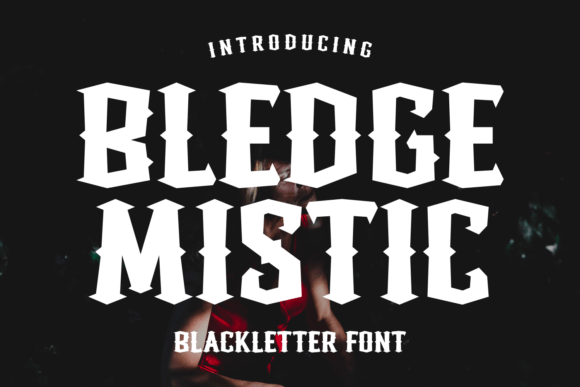
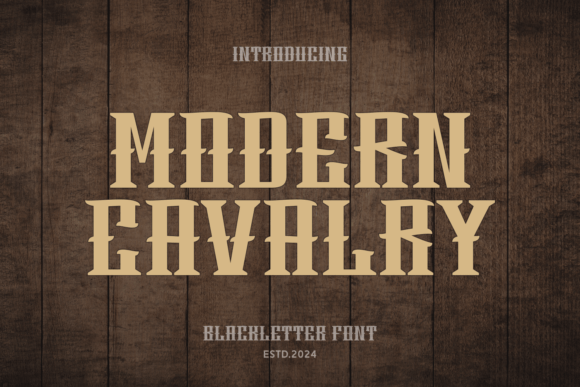
Modern Cavalry is a digital font based on the blackletter style, also known as Gothic or Old English script. Unlike more ornate calligraphy fonts, it retains a structured, formal appearance while incorporating heavier strokes and simplified flourishes. Its strong contrast between thick and thin lines gives it a commanding presence, making it suitable for both short and long text formats when styled appropriately.
The font is often praised for its ability to evoke a sense of authority, tradition, and nostalgia. It's particularly popular in designs that aim to communicate heritage, strength, or a touch of historical elegance. With roots in medieval manuscript writing, blackletter fonts like Modern Cavalry have been modernized to suit contemporary needs while preserving their timeless character.
Why Consider Modern Cavalry?
Designers choose fonts based on the message they want to convey and the audience they’re targeting. Modern Cavalry appeals to those who need a font with visual weight and a classic feel. Here are some reasons it might interest you:
- Attention-Grabbing Style: The heavy, dark strokes of Modern Cavalry ensure it commands attention, especially in print or large-scale media.
- Vintage Aesthetic: If your project aims to evoke a nostalgic or historical atmosphere, this font can help achieve that instantly.
- Bold Branding: For logos or branding that require a strong identity, Modern Cavalry offers a memorable and striking look.
- Compatibility with Dark Themes: The high contrast makes it ideal for use against light backgrounds or in minimalist, dark-themed designs.
Benefits and Tradeoffs
Like all typefaces, Modern Cavalry comes with advantages and limitations. Understanding these will help determine if it fits your specific needs.
Benefits
- Strong Visual Identity: The font’s unique structure helps create a powerful first impression, which is essential for logos, posters, and other marketing materials.
- Historical Resonance: It carries a gothic influence that resonates well with themes related to history, literature, or craftsmanship.
- High Legibility at Larger Sizes: While not ideal for small body text, Modern Cavalry remains legible when used in larger sizes, making it suitable for headlines, titles, and signage.
Tradeoffs
- Limited Readability in Long Text: The intricate nature of blackletter fonts can make them harder to read in extended passages, such as books or websites.
- May Clash with Modern Styles: In projects with a sleek, futuristic, or minimalistic design language, Modern Cavalry may appear out of place.
- Not Ideal for All Languages: Some characters in non-Latin scripts may not be supported or may not render as effectively in blackletter styles.
When to Use Modern Cavalry
Modern Cavalry shines in contexts where its boldness and historical flair enhance the overall message. Here are some scenarios where it could be an excellent fit:
- Posters and Event Banners: Whether announcing a concert, festival, or exhibition, the font adds drama and gravitas.
- Logos and Branding: Businesses or organizations looking to emphasize tradition, power, or a rugged personality may find it effective.
- Book Covers and Titles: Especially for genres like fantasy, horror, or historical fiction, the font enhances thematic elements.
- Craft and Artisanal Products: Labels, packaging, or promotional materials for handmade goods often benefit from a font that conveys quality and heritage.
In these situations, the font supports the intended emotional impact without overwhelming the content. However, using it requires thoughtful pairing with complementary elements—such as color schemes, imagery, and supporting typography—to maintain balance and clarity.
When to Look for Alternatives
Despite its strengths, Modern Cavalry isn’t always the right choice. Consider alternatives if:
- You Need High Readability: For body text in articles, websites, or reports, a sans-serif or serif font with cleaner lines is typically more appropriate.
- Your Audience Prefers Simplicity: Younger audiences or those accustomed to modern aesthetics might perceive the font as overly complex or difficult to process.
- Accessibility is a Priority: The condensed and angular forms of blackletter fonts can pose challenges for users with visual impairments or dyslexia.
- Printing Constraints Exist: If working with low-resolution printing methods, the fine details in the font may become lost or distorted.
Popular alternatives include serif fonts like Georgia or Times New Roman for a refined look, or sans-serif fonts like Helvetica or Arial for clean, modern readability. Choosing a font that aligns with both the visual and functional goals of your project is key.
Practical Tips for Using Modern Cavalry
If you decide to incorporate Modern Cavalry into your design, here are some practical insights to maximize its effectiveness:
- Use Sparingly: Reserve it for headlines, titles, or accent text rather than full paragraphs. This maintains readability while highlighting important elements.
- Pair with Simpler Fonts: Balance its complexity by using a simpler, more readable font for supporting text. For example, pair it with Roboto or Open Sans in digital interfaces.
- Test Across Media: Ensure the font looks good in both digital and print formats. Check how it appears at various sizes and resolutions before finalizing a project.
- Consider Cultural Context: Blackletter fonts are deeply associated with Germanic traditions and can sometimes carry unintended connotations. Be mindful of context, especially in international settings.
- Experiment with Color and Spacing: Because of its density, using ample white space and contrasting colors (like gold or red) can enhance its visibility and aesthetic appeal.
- Do I want to emphasize a historical or gothic theme?
- Is the primary goal of the design to stand out visually?
- Will the text be primarily short or limited in scope (e.g., a logo or headline)?
- Am I targeting an audience that appreciates traditional or vintage aesthetics?
- Can I afford the time and effort to stylize the font properly for optimal readability?
Evaluating the Fit for Your Project
To determine whether Modern Cavalry is right for your project, ask yourself a few key questions:
Answering "yes" to most of these suggests that Modern Cavalry could work well. However, if your project requires subtlety, accessibility, or scalability across different platforms, it may be worth exploring other options.
Conclusion
Modern Cavalry is a powerful addition to any designer’s toolkit. Its bold, vintage-inspired strokes offer a unique way to convey strength and tradition. When used correctly, it can elevate the visual impact of logos, posters, book covers, and branding materials. However, its suitability depends heavily on the context and purpose of your design.
By evaluating your goals, audience preferences, and technical requirements, you can decide if this font aligns with your vision. Remember, the best design choices come from understanding both form and function. Whether you opt for Modern Cavalry or a more conventional font, the key is ensuring your message is clear, compelling, and consistent with your brand’s identity.