Ballghine: A Bold Blackletter Font with a Medieval Flair for Elegant Design
Fonts play a crucial role in visual communication, shaping the tone and style of any design project. Among the many available options, Ballghine stands out as a bold blackletter font that combines historical inspiration with modern versatility. Known for its distinctive swashes and stylized swirls, Ballghine evokes a sense of grandeur and tradition while offering contemporary designers a tool to create striking, dramatic visuals. This article explores what makes Ballghine unique, how it compares to other fonts in its category, and when it might be the best choice for your next project.
The Distinctive Characteristics of Ballghine
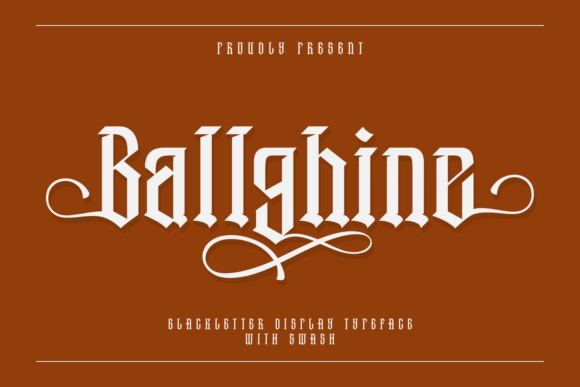
Ballghine is a typeface rooted in the blackletter tradition, also known as Gothic script. These fonts were historically used in medieval manuscripts and are characterized by their dense, angular letterforms. However, Ballghine diverges from the typical rigidity of blackletter fonts by incorporating fluid, decorative elements—specifically swashes—that give each character a dynamic and expressive feel.
Swashes are those elegant flourishes or extensions found at the beginning or end of letters. In Ballghine, these features add movement and sophistication, making the font ideal for projects where visual impact is key. The combination of strong, dark strokes and flowing embellishments results in a font that feels both authoritative and artistic.
One of the most notable aspects of Ballghine is its readability despite its ornate appearance. While many blackletter fonts can be difficult to decipher at smaller sizes, Ballghine maintains clarity through carefully designed spacing and contrast. This balance between form and function makes it more accessible than some of its older counterparts while preserving the essence of classic typography.
How Ballghine Compares to Other Blackletter Fonts
When evaluating blackletter fonts, several characteristics stand out: density, contrast, legibility, and decorative elements. Ballghine holds its own against similar fonts by offering a unique blend of these qualities.
- Legibility: Compared to traditional blackletter fonts like Cloister Black or Fraktur, Ballghine improves upon legibility without sacrificing its medieval aesthetic. Its bold weight and structured layout make it suitable for use in larger text blocks than many ornate scripts.
- Decorative Elements: Many blackletter fonts focus on structure over decoration. Ballghine, however, introduces subtle yet impactful swashes, which elevate its elegance and set it apart from more rigid styles. This makes it especially well-suited for branding and event design where flair matters.
- Use Cases: While fonts like Trajan Pro or Adobe Caslon offer a more refined, serifed look for formal settings, Ballghine provides a bolder alternative that still retains a sense of history and gravitas. It’s not just for medieval-themed projects—it can enhance any design looking for a dramatic touch.
In comparison to sans-serif alternatives such as Montserrat or Bebas Neue, Ballghine offers a completely different mood. Where clean, modern sans serifs emphasize simplicity and minimalism, Ballghine leans into complexity and visual richness. Choosing between them depends largely on the message you want to convey and the context in which the font will be used.
Best-Fit Situations for Ballghine
Ballghine shines in specific scenarios where its dramatic style enhances the overall design. Some of the best applications include:
- Logo Design: Brands seeking to communicate strength, heritage, or luxury often turn to blackletter fonts. Ballghine’s bold presence and stylish swashes can help create a memorable logo that commands attention.
- Event Invitations and Posters: Whether it’s a wedding, royal gala, or fantasy-themed convention, Ballghine adds an air of elegance and mystique. Its ornate details align perfectly with designs that aim to impress or evoke a sense of occasion.
- Book Titles and Packaging: For book covers or product packaging that tell a story, Ballghine can serve as a powerful typographic element. Its medieval-inspired design works particularly well for fantasy novels, vintage-style products, or anything with a narrative-driven theme.
- Creative Projects and Artwork: Artists and illustrators who want to integrate typography into their work will find Ballghine to be a compelling choice. Its high contrast and intricate forms allow it to function as part of the artwork itself rather than just supporting text.
Strengths and Limitations of Ballghine
Like all fonts, Ballghine has its strengths and limitations. Understanding these can help you determine whether it fits your needs.
Strengths:
- High Visual Impact: The bold stroke weights and swash characters make Ballghine eye-catching and ideal for headlines or short bursts of text.
- Unique Aesthetic: With its fusion of blackletter structure and decorative touches, Ballghine avoids the generic look that many modern fonts tend to have.
- Flexibility in Use: Despite being a decorative font, Ballghine remains readable enough to be used in moderately sized body text, provided the content is concise and the background doesn’t distract from the lettering.
Limitations:
- Not Ideal for Long Text: Due to its intricate nature, using Ballghine for extended paragraphs may reduce readability and increase cognitive load for readers.
- May Clash with Modern Styles: In minimalist or ultra-modern design environments, Ballghine could feel out of place. Its ornate style demands complementary elements that match its aesthetic.
- Limited Language Support: Depending on the version or platform, some glyphs or language-specific characters may not be fully supported, which could be a drawback for multilingual projects.
Choosing Between Ballghine and Similar Alternatives
Designers often face the challenge of selecting the right font for a project. When considering Ballghine, it’s important to weigh it against other fonts within the same genre and purpose.
If you’re looking for a font with a similar medieval feel but less ornamentation, consider exploring variations of traditional blackletter fonts such as Blackadder ITC or Old English Text MT. These fonts maintain the dark, angular shapes typical of Gothic script but lack the swash elements that define Ballghine. They may be better suited for more conservative uses like historical documents or academic papers.
For projects requiring a more dramatic or theatrical look, fonts like Playbill or Goudy Old Style could be viable alternatives. However, these often lean toward a serif-based design rather than the blackletter style. Ballghine, in contrast, delivers a more authentic Gothic experience while adding a layer of creativity through its swash characters.
Another factor to consider is scalability. If you need a font that looks good in small print, such as for menus or labels, Ballghine may not be the best fit due to its complex detailing. Instead, a simpler blackletter or a condensed serif might be preferable. But for large-format printing or digital displays, Ballghine excels in delivering a rich, immersive typographic experience.
When to Opt for Ballghine
Ballghine is the right choice when you want to infuse your design with a sense of authority, drama, or timeless elegance. It works especially well in the following situations:
- You’re designing a brand identity that emphasizes tradition, heritage, or fantasy themes.
- Your project requires a strong visual hierarchy, such as posters, banners, or title cards.
- You’re aiming to create a luxurious or high-end feel in invitations, certificates, or awards.
- You’re working with limited text (e.g., logos, taglines) and want to make a bold typographic statement.
When to Consider Another Option
While Ballghine is visually stunning, it may not always be the best fit. Here are a few scenarios where another font might serve your goals better:
- Long-form Reading: If your design includes lengthy passages of text, a more legible font such as Georgia or Lora would likely be more effective.
- Modern Minimalist Aesthetics: For clean, contemporary designs, fonts like Helvetica or Futura are often preferred. Ballghine’s ornate style may clash with this approach.
- International Audiences: If you need full support for multiple languages or diacritics, consider checking the font’s coverage before finalizing your choice.
- Accessibility Concerns: Decorative fonts like Ballghine can sometimes hinder accessibility for individuals with dyslexia or visual impairments. In such cases, pairing it with a simple sans-serif font for body text is recommended.
Practical Tips for Using Ballghine Effectively
To get the most out of Ballghine, here are a few tips to keep in mind:
- Pair Wisely: Combine Ballghine with a neutral, easy-to-read font for body text to maintain a balance between aesthetics and functionality.
- Use Contrast: Because of its bold nature, ensure there is sufficient contrast between the font and background to prevent loss of detail.
- Test at Different Sizes: Always preview Ballghine in various sizes to assess its readability and visual appeal across different mediums.
- Limit Usage: Reserve Ballghine for key typographic elements rather than overusing it throughout a design. This helps preserve its impact and prevents visual fatigue.
For example, if you’re creating a poster for a medieval reenactment festival, using Ballghine for the event name and dates will immediately establish the theme. Pair it with a lighter, sans-serif font for the supporting information, and you’ll achieve a harmonious balance between style and substance.
Conclusion
Ballghine is a standout font in the world of blackletter typography, offering a bold, elegant design that bridges the gap between historical charm and modern usability. Its inclusion of swash characters sets it apart from standard blackletter fonts, giving it a unique edge for creative and commercial projects alike. However, like any typographic choice, it comes with tradeoffs—particularly around legibility and appropriateness for certain contexts.
By understanding where Ballghine excels and where it falls short, you can make a more informed decision about whether it suits your design needs. When used thoughtfully, it can become a signature element in your visual storytelling, helping to create memorable and impactful designs that resonate with your audience.