Kronos: The Bold Blackletter Typeface Shaping Modern Design Aesthetics
In the ever-evolving world of design, typography plays a pivotal role in shaping visual identity and communicating tone. Among the many typefaces that have emerged to meet the demands of contemporary branding and creative expression, Kronos stands out as a powerful blackletter typeface with a dramatic flair. Known for its striking structure and edgy character, Kronos is being embraced by professionals across industries—from fashion to music—to elevate their visual storytelling. This article explores what makes Kronos unique, how it aligns with current creative and market trends, and why it’s becoming a go-to choice for designers looking to make a bold impression.
What Is the Kronos Typeface?
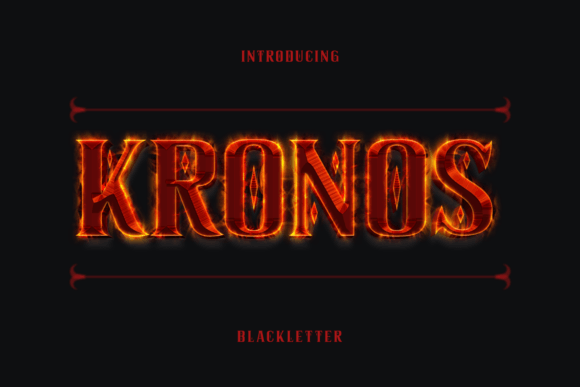
Kronos is a modern interpretation of the classic blackletter style, characterized by its angular strokes, deep contrast, and medieval-inspired letterforms. Unlike traditional blackletter fonts that often lean toward ornate or historical aesthetics, Kronos brings a fresh, stylized edge that resonates with today’s audiences. It’s designed to be both visually arresting and versatile enough to adapt to various applications, from large-scale headlines to more intricate typographic layouts.
The name “Kronos” itself carries symbolic weight—named after the Titan of time in Greek mythology, this font reflects themes of endurance, strength, and legacy. These qualities are not only stylistic but also resonate with brands and creators who seek to convey a sense of history or gravitas in their work.
Key Characteristics of Kronos
- Bold Structure: Each letter is built with strong vertical lines and pronounced serifs, giving it a commanding presence on any medium.
- High Contrast: The thick and thin strokes create a dynamic visual rhythm that enhances readability while maintaining an artistic edge.
- Modern Adaptation: Though rooted in blackletter tradition, Kronos avoids excessive ornamentation, making it suitable for digital and print use alike.
- Clean Spacing: Thoughtful kerning ensures that even at smaller sizes, the text remains legible and impactful.
Why Kronos Fits Into Contemporary Creative Trends
Designers today are increasingly drawn to typefaces that offer both aesthetic uniqueness and functional reliability. In a landscape where personalization and brand differentiation are key, Kronos provides a compelling option for those seeking to stand out without sacrificing professionalism. Its boldness aligns with several broader creative and industry trends:
1. Rise of Edgy Branding in Streetwear and Fashion
Streetwear and urban fashion have long relied on typography as a core element of visual identity. From clothing labels to packaging and advertisements, the right font can define a brand’s attitude and appeal. Kronos, with its aggressive and confident look, is perfectly suited for this space. It complements the raw energy of street culture and adds a layer of sophistication to what might otherwise appear too casual or informal.
Many emerging fashion labels are using Kronos in logo design and product tags to project authority and exclusivity. For instance, a new sneaker line launching under a niche label used Kronos for its tagline, which immediately gave the collection a sense of urgency and rebelliousness. This kind of strategic typographic choice helps brands connect with their audience on a visceral level.
2. Demand for High-Impact Visuals in Music and Entertainment
The music industry is another sector where Kronos has found a natural home. Album covers, concert posters, and promotional materials benefit from fonts that command attention. Whether it’s a heavy metal band looking to evoke intensity or an indie artist aiming for a vintage yet modern vibe, Kronos delivers a rich tonal palette through its letterforms.
Recent album releases from alternative and electronic artists have showcased Kronos in cover art and liner notes. One notable example is a synthwave project that used the font in combination with retro-futuristic color schemes, creating a cohesive and immersive visual experience. This demonstrates how Kronos can bridge the gap between nostalgic and futuristic design sensibilities.
3. Growth of NFTs and Digital Art Markets
As the digital art and NFT (non-fungible token) markets continue to expand, there is a growing need for fonts that work well in both high-resolution and pixel-based formats. Kronos is engineered to maintain clarity and impact across varying screen sizes and resolutions, making it ideal for digital artworks, crypto-related branding, and blockchain-inspired campaigns.
Its structured form lends itself well to layered compositions and glitch effects common in digital art, allowing creatives to experiment with motion graphics, animated titles, and interactive typography. This adaptability positions Kronos as a forward-thinking tool in the hands of digital-first designers.
Changing Needs and Preferences Driving Interest in Kronos
Consumer preferences are shifting toward experiences that feel authentic, expressive, and emotionally resonant. Typography, once considered a background detail, is now a central part of brand strategy. Kronos meets these evolving needs by offering a balance between heritage and innovation, enabling designers to craft messages that feel both timeless and timely.
Preference for Strong Visual Identity
Today’s consumers are bombarded with content from all directions. To cut through the noise, brands must develop a strong visual identity—one that is instantly recognizable and emotionally engaging. Kronos supports this goal by providing a distinctive typographic signature that can become synonymous with a brand’s voice.
For entrepreneurs and startups, especially those targeting younger demographics, using a typeface like Kronos can signal confidence and creativity. It’s not just about looking good; it’s about building trust and connection through visual language.
Shift Toward Experiential Design
From event marketing to app interfaces, experiential design is gaining traction. Users expect designs that engage them beyond aesthetics—they want something memorable and immersive. Kronos contributes to this shift by adding depth and drama to typographic elements, whether they’re part of a poster, website, or social media campaign.
One practical application comes from a mobile gaming startup that integrated Kronos into their UI design. The font helped establish a gritty, action-packed atmosphere, enhancing the user experience and reinforcing the game’s thematic elements. This shows how Kronos isn’t just decorative—it serves a purpose within the overall design narrative.
Increasing Use of Hybrid Design Approaches
With the blending of analog and digital workflows, hybrid design approaches are becoming standard practice. Kronos is compatible with vector-based software like Adobe Illustrator and Photoshop, as well as responsive web frameworks such as CSS and Figma. This cross-platform functionality allows freelancers and agencies to incorporate the font seamlessly into both print and digital projects.
Moreover, its blackletter roots allow for interesting reinterpretations when paired with hand-drawn textures or augmented reality overlays. As designers explore multi-sensory presentations, having a font that works across mediums becomes invaluable.
Practical Applications and Observations
While Kronos is inherently dramatic, it’s important to apply it strategically. Here are some real-world observations and examples of how the typeface is being used effectively:
Case Study: Streetwear Label Rebrand
A mid-sized streetwear company recently rebranded using Kronos as the primary font for their new logo and packaging. Previously, they had used a generic sans-serif typeface that failed to capture the essence of their brand. By switching to Kronos, they were able to inject a sense of rebellion and authenticity into their visual identity.
The results? Increased engagement on social platforms, stronger brand recognition among target demographics, and a surge in customer inquiries about collaborations and custom prints. This case highlights how a thoughtful font choice can directly influence brand perception and consumer behavior.
Case Study: Music Festival Poster Design
At a recent underground music festival, the promotional poster utilized Kronos for the main headline. The font was paired with a dark, moody color scheme and minimal supporting text, allowing it to dominate the visual field. Attendees reported that the poster felt “authentic” and “powerful,” accurately reflecting the festival’s vibe and attracting the right crowd.
This example underscores the importance of context in font selection. Kronos thrives in environments where typography is meant to communicate emotion and energy rather than just information.
Observations in Web and App Design
In the digital realm, Kronos has been adopted by developers and designers working on niche apps and websites focused on subcultures, such as punk rock, cyberpunk literature, and fantasy games. Its ability to hold up at lower resolutions and scale smoothly makes it a reliable choice for buttons, headers, and call-to-action sections.
However, it’s worth noting that while Kronos is effective for short bursts of text, it may not be ideal for large blocks of body copy. Like many blackletter fonts, it requires careful handling to ensure legibility and usability. But when used correctly—as a headline or title—it becomes a focal point that draws users in and sets the tone for the entire interface.
Connecting to Larger Developments in Typography and Design
The popularity of Kronos is part of a larger movement in typography that favors expressive, personality-driven fonts over minimalist defaults. While sans-serif fonts remain dominant in corporate and clean design spaces, there is a clear trend toward using typefaces that tell a story or evoke a specific mood.
This shift is fueled by the rise of creator economies, where individuals build personal brands and demand tools that help them differentiate themselves. Kronos offers one such tool—a way to add a touch of individuality and boldness to everything from YouTube thumbnails to podcast intros.
Additionally, as AI-generated content becomes more prevalent, human-centric design choices like Kronos remind audiences of the value of intentionality and craftsmanship. It’s not just about efficiency anymore; it’s about emotional resonance and cultural relevance.
Trends in Cultural Storytelling and Brand Narratives
Consumers are no longer satisfied with surface-level branding. They want stories behind the products, deeper meaning, and a sense of connection. Kronos can play a role in this by helping brands craft typographic narratives that align with their mission and values.
For example, a wellness brand focusing on ancient practices and modern mindfulness used Kronos sparingly in its packaging to emphasize the timelessness of its philosophy. The font became a subtle yet powerful symbol of tradition meeting innovation.
Final Thoughts: Why Kronos Matters Now
In a design ecosystem that prizes originality and emotional impact, Kronos offers a compelling solution for creators who want to infuse their work with boldness and character. Its blend of historical inspiration and modern adaptability makes it relevant across multiple industries, from fashion and entertainment to digital art and branding.
More importantly, Kronos represents a broader shift in how we approach typography—not as a passive element, but as a strategic component of communication. As audiences grow more discerning and markets become more saturated, fonts like Kronos will continue to be valuable assets for those who understand the power of visual language.
Whether you're designing a brand identity, crafting an album cover, or building a digital experience, consider how Kronos could bring your message to life with its unique blend of strength and elegance. The future of design belongs to those who can harness the full potential of typography—and Kronos is ready to help you lead the charge.