Manoka Vintage: A Font for Timeless Design
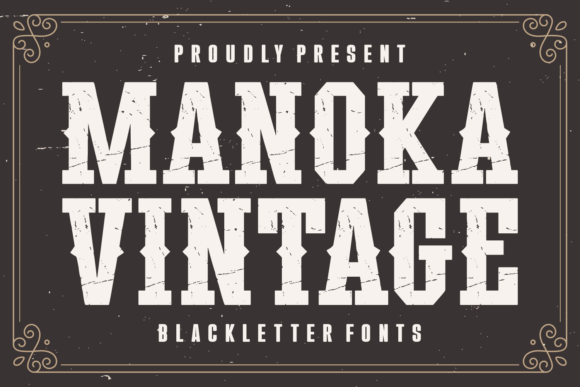
Manoka Vintage is a distinctive blackletter font that captures the essence of history and authenticity. Its distressed, weathered appearance gives it a unique character, blending traditional Gothic typography with a rugged, aged aesthetic. This font isn’t just a design element—it’s a storytelling tool. Whether you’re looking to evoke nostalgia or highlight craftsmanship, Manoka Vintage can be an excellent choice for your creative projects.
Why Choose Manoka Vintage?
Blackletter fonts have long been associated with elegance, formality, and historical significance. However, not all blackletters are created equal. Manoka Vintage stands out due to its intentional imperfections—subtle cracks, faded edges, and irregular spacing mimic the look of ancient manuscripts or timeworn signage. These characteristics make it ideal for branding that wants to communicate heritage, authenticity, or a handcrafted feel without appearing outdated or overly ornate.
The font's versatility lies in its balance between tradition and modernity. It retains the visual weight and structure of classic Gothic typefaces while incorporating a raw, unpolished texture that speaks to contemporary design sensibilities. This duality makes Manoka Vintage suitable for both digital and print applications, from logos and posters to book covers and packaging.
Key Features of Manoka Vintage
- Distressed Appearance: The font mimics aged paper or stone-carved letters, making it visually compelling for vintage-themed designs.
- High Contrast: Bold strokes and fine details give it a striking presence on any background.
- Readability with Character: While maintaining legibility, it adds enough personality to stand out in a crowded visual space.
- Customizable Texture: Depending on the platform used, some versions allow for adjusting the level of distress to match specific aesthetics.
Creative Applications for Manoka Vintage
Fonts like Manoka Vintage open up a world of possibilities when it comes to visual storytelling. Here are several ways different creators and businesses can use it effectively:
Branding and Logos
For brands rooted in tradition—such as artisanal food products, craft breweries, or heritage clothing lines—Manoka Vintage can serve as a strong typographic foundation. Its distressed style helps create a sense of timelessness, which is especially useful for niche markets where authenticity is key.
Example: A small winery might use Manoka Vintage in their logo to suggest old-world methods and quality. Pairing it with muted earth tones and natural textures (like wood or parchment) can enhance the overall theme and make the brand feel more genuine and trustworthy.
Product Packaging
Vintage-inspired packaging is a growing trend across industries, particularly in home goods, candles, and handmade items. Manoka Vintage fits perfectly into this space by reinforcing the idea of something carefully made, aged, or inspired by past eras.
Consider using the font on labels, tags, or even direct product etching. For instance, a company selling leather-bound journals could use Manoka Vintage to label each journal with a title or maker’s signature, giving customers a tactile connection to the item’s “craftsmanship” and “history.”
Signage and Wayfinding
In physical spaces such as cafes, galleries, or boutique shops, Manoka Vintage can add character to signs and directional boards. Its bold yet rustic nature works well for headings and subheadings in environments that want to project a warm, welcoming atmosphere with a touch of nostalgia.
One practical tip is to ensure contrast with the background. If you're printing on dark wood or brick walls, choose a lighter version of the font or add subtle outlines to improve visibility without losing its vintage charm.
Marketing and Promotional Materials
Marketers often seek fonts that align with the tone of their message. Manoka Vintage can help reinforce themes of authenticity, tradition, and reliability in promotional content. Think about using it in brochures, event flyers, or social media posts related to heritage events, antique fairs, or retro-themed campaigns.
When applying the font to marketing materials, keep text concise. Use it for headlines or taglines rather than body copy, and pair it with simpler sans-serif or serif fonts for supporting information to maintain readability and hierarchy.
Bloggers and Educators
If you run a blog focused on history, DIY crafts, or vintage culture, Manoka Vintage can elevate your content’s visual appeal. Use it for titles, section headers, or pull quotes to draw attention and create a thematic consistency throughout your site.
Tip: Combine the font with images of old books, photographs, or handwritten notes to amplify the nostalgic effect. This approach not only makes your content more engaging but also helps establish your blog’s identity as a source of authentic, curated knowledge.
Freelancers and Publishers
Freelancers working on book covers, editorial illustrations, or print-on-demand products will find Manoka Vintage incredibly useful. Its unique look allows for originality in design, helping freelance creatives stand out in competitive markets.
Publishers aiming to release limited-edition or themed books may also benefit from using this font for titles and chapter headings. It can be used to create a “vintage” feel in e-books by pairing it with sepia-toned visuals or textured backgrounds.
Adapting Manoka Vintage for Different Audiences
While Manoka Vintage has a strong visual identity, it’s important to tailor its use based on your target audience and purpose. For example, what works for a local bakery won’t necessarily work for a tech startup. Let’s explore how various users can adapt it:
Entrepreneurs and Small Businesses
Small business owners can leverage Manoka Vintage to build a brand image that feels personal and crafted. A handmade soap shop might use it in store signage or online listings to emphasize the “handmade” and “natural” qualities of their products.
Recommendation: When using the font in digital storefronts or websites, test its performance on mobile devices. Ensure that the distressed elements don't compromise legibility at smaller sizes.
Hobbyists and Craft Enthusiasts
For hobbyists creating custom T-shirts, mugs, or greeting cards, Manoka Vintage can be a great way to express creativity. Its distressed look pairs well with watercolor, ink washes, or hand-drawn illustrations, allowing for cohesive and visually rich designs.
Tip: Experiment with layering effects in graphic design software. Adding slight shadows or gradients can enhance the depth of the font and make it appear more integrated with the artwork.
Designers and Creators Looking for Inspiration
If you’re a designer seeking inspiration, consider how Manoka Vintage can influence your color palette and layout choices. Since it evokes a vintage mood, complement it with muted colors like deep browns, rust reds, or soft greens. Also, think about spacing and alignment—blackletter fonts often require careful handling to avoid clutter.
Try using Manoka Vintage in combination with other distressed elements like torn paper textures or brushstroke overlays. This layered approach can help you create unique designs that feel both professional and personal.
Educators and Museums
Educators and museums can use Manoka Vintage in signage, educational posters, or interactive exhibits to highlight historical context. It adds an immediate visual cue that something is from the past, whether it's a timeline of events or a quote from an old manuscript.
Keep in mind that clarity should always come first. While the font enhances the theme, ensure that the message remains accessible to all age groups and reading abilities.
How to Keep Your Designs Clear and Effective
Using a distressed font like Manoka Vintage requires a thoughtful approach to maintain effectiveness. Here are some strategies to ensure your design remains clear and impactful:
- Use Sparingly: Apply the font to only the most important elements—such as headlines or logos—to avoid overwhelming the viewer.
- Balance with Simplicity: Pair Manoka Vintage with minimalist layouts or clean supporting text to guide the reader’s eye naturally.
- Test Legibility: Always check how the font appears across different screen sizes and lighting conditions, especially if it’s going to be used in public spaces or online.
- Stay Consistent: Stick to one or two variations of the font within a project to maintain visual harmony and professionalism.
Real-World Examples
Here are a few realistic scenarios where Manoka Vintage shines:
- A coffee shop named after a historic building uses the font for its name on the door and menu board, reinforcing the connection to its location’s past.
- An independent publisher releases a series of poetry books with Manoka Vintage as the main title font, enhancing the literary and artistic vibe of the collection.
- A blogger curates a list of antique tools and uses the font in article headers to create a consistent, immersive experience for readers interested in craftsmanship.
Where to Find and Use Manoka Vintage
Manoka Vintage is available through various font marketplaces and design platforms. Once downloaded, it can be easily integrated into Adobe Photoshop, Illustrator, InDesign, or even Google Fonts-compatible editors. Many platforms also offer preview tools so you can see how it looks before committing to a full download.
When selecting Manoka Vintage, consider the licensing terms to ensure it fits your intended use. Some versions may be restricted to personal or non-commercial purposes, so always verify the permissions included in the font package.
Tips for Using Manoka Vintage Online
- Embed it in your website using CSS for consistent display across browsers.
- Optimize file size for faster loading, especially if you're using multiple variants or styles.
- Use it in conjunction with responsive design techniques to maintain its integrity on different devices.
Final Thoughts on Typographic Creativity
Choosing the right font is about more than just aesthetics—it’s about aligning with the message and values of your project. Manoka Vintage offers a rare blend of visual intrigue and functional typography, making it a valuable asset for designers who want to connect with audiences on a deeper level.
Whether you're crafting a brand, designing a poster, or simply experimenting with new styles, this font invites you to think beyond the ordinary. By understanding its strengths and limitations, you can harness its potential to create meaningful, memorable designs that resonate with your audience.