Blues: A Bold Font for Dramatic Designs
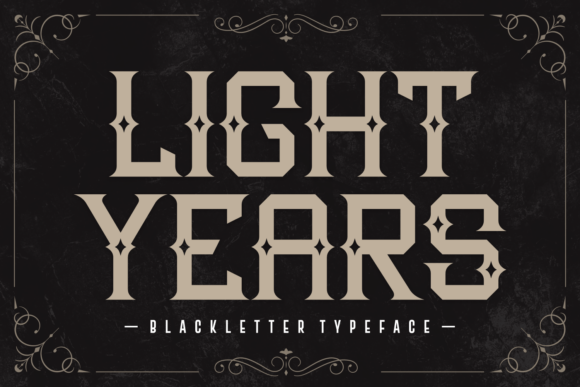
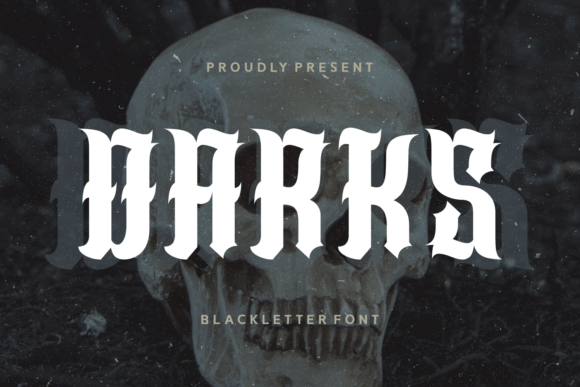
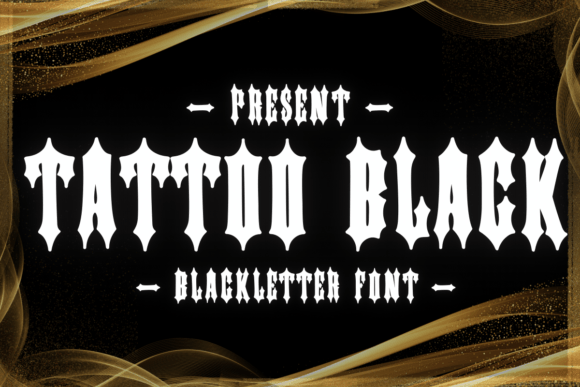
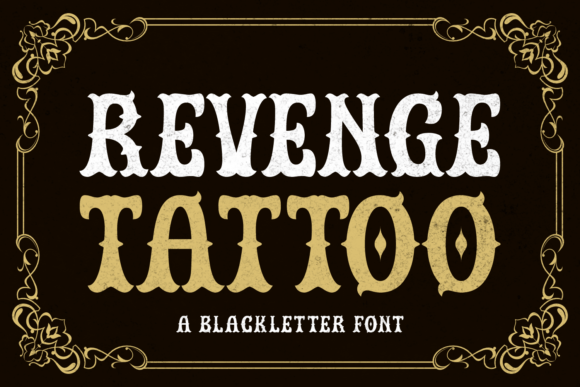
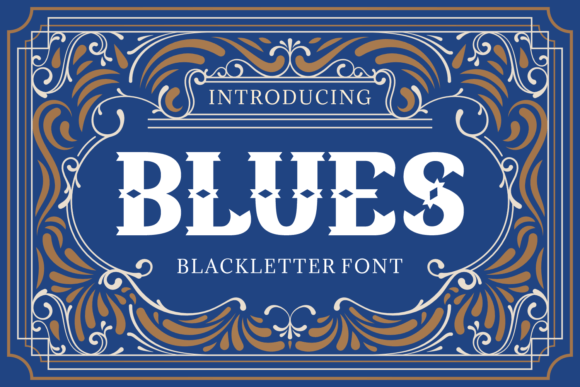
The Blues font is a modern interpretation of the classic blackletter style, known for its striking and dramatic appearance. With its unique integration of small rhomb-shaped details into the traditional Gothic structure, Blues offers a fresh twist on an old design. This bold typeface is ideal for those who want to convey strength, tradition, and a contemporary edge in their visual projects.
What Makes Blues Unique?
Blackletter fonts, also referred to as Gothic or Textura, have long been associated with medieval manuscripts, religious texts, and historical documents. They evoke a sense of timelessness and gravitas. However, Blues stands out by adding subtle rhombus elements that break up the rigid structure of the letters, making it feel more dynamic and less static than other blackletters.
This combination of boldness and detail makes Blues particularly effective for darker themes such as fantasy, heavy metal, video games, and other genres where a strong visual identity is essential. The font doesn't just look good—it tells a story through its form.
Audience Perspectives on Blues
Depending on your background and purpose, the value of Blues might resonate differently. Here’s how various users could approach this font:
For Beginners: An Accessible Entry into Bold Typography
If you're new to typography or graphic design, Blues can be a powerful tool to start experimenting with. Its high contrast and distinctive shape make it easy to recognize and use effectively in simple designs like posters, logos, or headers.
- Use case: Create a themed Halloween flyer using Blues for the title.
- Priority: Ease of use and immediate visual impact.
- Tip: Pair it with a clean sans-serif font to balance its intensity and improve readability.
For Experienced Designers: Crafting Visual Narratives
Seasoned designers appreciate the versatility of Blues in creating layered and thematic compositions. Whether designing album covers, book jackets, or game interfaces, the font's ability to command attention while maintaining a sense of history can elevate the overall aesthetic.
- Choose Blues as a headline font to emphasize key messages.
- Incorporate it into typographic art pieces to add texture and depth.
- Experiment with color overlays to enhance the rhombic features in digital mockups.
Professionals often consider factors like scalability, compatibility across platforms, and licensing when selecting a font. Blues performs well in these areas, offering reliable rendering at different sizes and being suitable for both print and digital media.
For Creators and Content Producers: Adding Character to Projects
Content creators, especially those in niche communities like fantasy literature or gaming, can leverage Blues to reinforce the mood of their work. Its medieval roots and bold presentation help build immersive environments.
Example: A YouTuber producing content about ancient myths could use Blues in their thumbnails and intros to give the videos a more dramatic, story-driven feel.
When evaluating Blues, creators may focus on how well it aligns with their brand’s tone and whether it complements their existing design toolkit without overshadowing other elements.
For Educators and Students: Teaching Typographic History and Innovation
Blues serves as an excellent example for teaching typography evolution. It bridges the gap between historical styles and modern adaptations, showing how traditional forms can be reimagined to suit contemporary needs.
Students learning about font classification might study Blues to understand the differences between blackletter, serif, and sans-serif families. Educators can encourage learners to explore how slight variations in design—like the rhombus details—can significantly affect legibility and visual appeal.
Blues also supports learning about accessibility considerations; while visually rich, it maintains enough clarity to be used in educational materials when paired correctly.
For Small Business Owners and Marketers: Branding with Impact
Small business owners looking to establish a strong, memorable brand presence might find Blues appealing. It works well for industries like craft beer, artisanal products, or heritage-themed shops where a bold and traditional font can enhance authenticity.
Practical example: A boutique selling handmade leather goods could use Blues in their logo to evoke craftsmanship and durability. When marketing campaigns need to stand out, this font helps capture attention quickly.
Marketers should consider how Blues fits within their brand guidelines and whether it aligns with their target audience’s expectations. For instance, a luxury brand aiming for elegance might not choose Blues over a more refined serif typeface.
For Hobbyists and Consumers: Expressing Personal Style
Hobbyists working on personal projects like zines, greeting cards, or custom tattoos can benefit from Blues' expressive nature. It adds a level of sophistication and uniqueness that mass-produced sans-serif fonts often lack.
Consumers shopping for fonts online may prioritize aesthetics over technical specs. Blues’ dramatic look and Gothic heritage make it a top choice for those wanting to express individuality or create eye-catching visuals without needing advanced design skills.
Consider testing Blues in a few sample layouts before committing. Does it reflect the personality you want? If so, it might be the right fit for your creative endeavors.
Evaluating Blues: What to Consider
Before choosing Blues for your project, it's important to evaluate how well it meets your specific needs. Here are some key questions to ask yourself:
- Do I need a font that conveys power and tradition?
- Will my audience respond positively to a bold, Gothic-style typeface?
- Is this font suitable for the platform (print, web, mobile) where it will be used?
- How does it compare to similar fonts in terms of cost and licensing?
Blues is available under a commercial license, making it accessible for most professional uses. While it's not the best option for large blocks of text due to its intricate design, it shines in headlines, titles, and decorative elements.
Why Different Audiences Care About Blues
Each group has its own priorities when it comes to font selection. For example:
- Beginners care about ease of access and clear results.
- Designers care about flexibility and how it integrates with their workflow.
- Business owners care about brand perception and marketability.
- Consumers care about aesthetics and emotional resonance.
Blues meets many of these needs by providing a strong visual statement that’s rooted in history but adapted for modern use. Its adaptability ensures that it remains relevant across different applications and industries.
Final Thoughts
Whether you’re a designer pushing boundaries, a hobbyist exploring personal expression, or a marketer building a brand, Blues offers a compelling way to communicate your message. Its fusion of Gothic aesthetics with modern enhancements gives it broad appeal across creative fields.
Ask yourself what kind of impression you want to leave. If it's one of strength, mystery, or bold tradition, then Blues could be the perfect choice. Try it out in your next project and see if it resonates with your vision.